Every home has its own water story. Some households deal with hard water that leaves chalky deposits on faucets and shower doors, while others notice reddish stains, unpleasant odors, cloudy water, or sediment collecting in sinks. If you’re relying on a private well, these issues can be particularly frustrating because water quality depends on what’s happening underground, and those conditions aren’t always the same from one property to another.
The thing is, there’s no single filtration setup that works perfectly for every home. Understanding your water and choosing the right equipment can make everyday life easier while helping protect plumbing, appliances, and the quality of water you use.
Why Every Well Has Different Water Quality
Groundwater travels through layers of soil, rock, sand, and minerals before reaching a residential well. During that journey, it can pick up dissolved substances and particles that influence its taste, appearance, and overall characteristics. Even two neighboring properties can experience surprisingly different water conditions.
Some wells contain elevated iron or manganese, which may cause discoloration and staining. Others have high hardness levels that contribute to scale formation inside pipes, water heaters, and household appliances. Sediment, sulfur odors, and changes in pH can create additional concerns.
These problems aren’t always obvious when water first comes out of the faucet. Clear water may still contain contaminants that require testing, while visible discoloration doesn’t automatically tell you exactly what’s causing the problem. A proper water analysis provides a clearer picture and helps homeowners avoid unnecessary equipment purchases.
The Advantage of a Customized Treatment Approach
Choosing a filtration system based on guesswork can lead to disappointing results. A filter designed to remove sediment won’t necessarily reduce dissolved minerals, and a standard carbon filter may not address iron or other specific groundwater concerns.
That’s where customized well water treatment systems become useful. Rather than relying on a one-size-fits-all package, a tailored setup considers water test results, household size, daily consumption, plumbing layout, and the particular problems that need to be addressed.
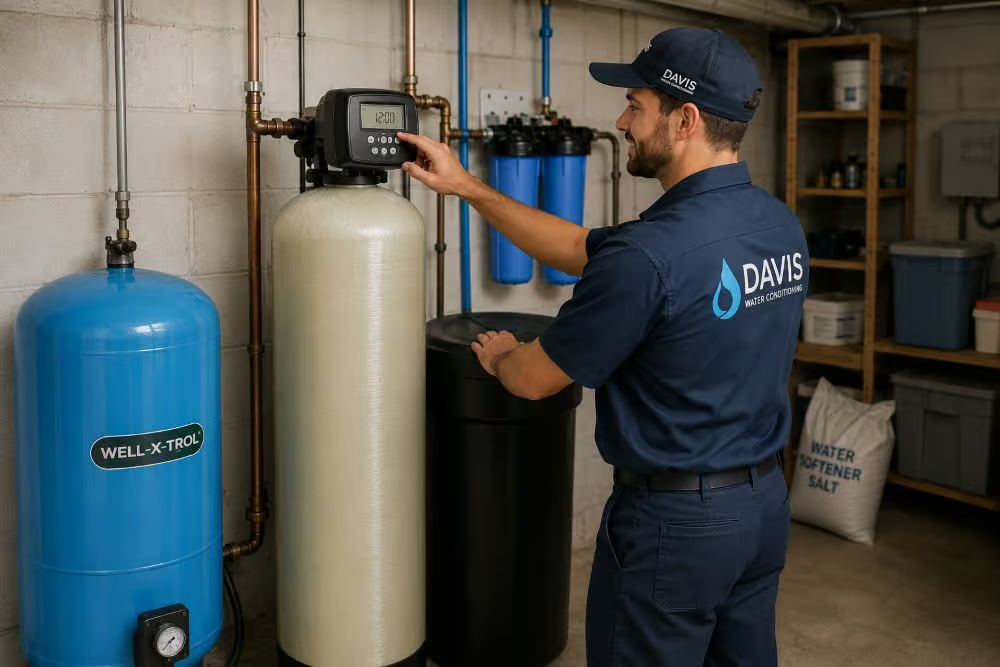
For example, a home with excessive iron might benefit from oxidation and specialized iron filtration. A household struggling with hard water may need a water softener, while sediment-heavy groundwater could require a dedicated pre-filtration stage. If drinking water contains certain dissolved contaminants, reverse osmosis may be appropriate for the kitchen.
The benefit of customization is that every piece of equipment has a purpose. It can make the system easier to operate, reduce unnecessary expenses, and improve the likelihood of getting the results homeowners actually want.
Managing Sediment Before It Causes Problems
Sediment is one of those water issues that doesn’t always receive much attention until something starts clogging. Sand, fine particles, and other suspended material may enter the plumbing system, especially when groundwater conditions change or the well experiences disturbance.
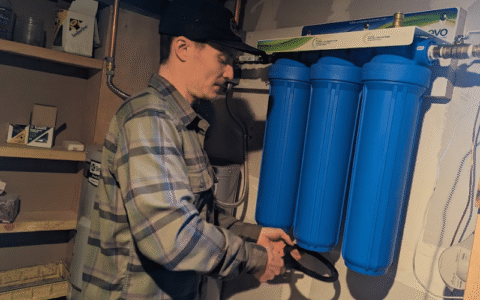
A properly selected well water sediment treatment system can capture these particles before they reach water-using equipment. Depending on the sediment level, homeowners may need a cartridge filter, a spin-down filter, or a backwashing filtration unit.
Filter selection matters. Very fine filters can capture smaller particles, but they may also clog quickly when the water contains significant sediment. This can lead to frequent cartridge replacements and reduced water pressure. Choosing an appropriate micron rating and filter capacity helps balance filtration performance with household water demand.
In some cases, persistent sediment may indicate an issue with the well itself. If sand suddenly appears or the water becomes consistently cloudy, it’s worth having the well and pump inspected rather than simply adding another filter.
Protecting Plumbing and Household Appliances
Water treatment isn’t only about improving drinking water. The quality of water entering the home affects showers, washing machines, dishwashers, water heaters, and other equipment used every day.
Hardness can contribute to mineral scale, while iron and sediment may leave deposits or interfere with certain plumbing components. Over time, these issues can increase cleaning requirements and create maintenance headaches.
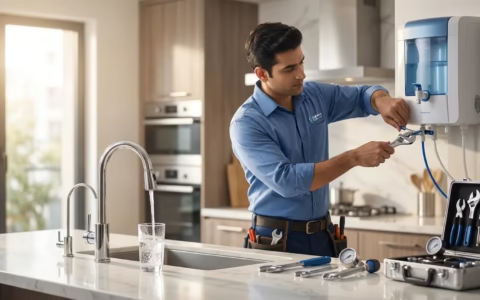
A thoughtfully designed treatment setup can help reduce these problems. Whole-house filtration addresses water entering the property, while point-of-use systems provide additional treatment where it’s needed, such as at the kitchen sink.
The right combination depends on the water analysis, equipment requirements, and the homeowner’s priorities. It’s usually better to address a few confirmed problems properly than to install several filters that don’t work together effectively.
Making Long-Term Water Quality Easier to Manage
Installing equipment is only part of the process. Filters need replacing, softeners require salt, and treatment systems may need periodic inspections, cleaning, or adjustments. Keeping a maintenance record can help homeowners stay ahead of these tasks.
Professional guidance is also useful when water quality changes, household usage increases, or equipment begins performing differently. A system that was properly sized several years ago may need adjustments after renovations or changes in family size.
With customized treatment for well water, homeowners can take a more practical approach to water quality by selecting equipment that fits their actual needs and maintaining it properly over time. The objective isn’t to make water treatment unnecessarily complicated, but to create a reliable setup that works quietly in the background.
Conclusion
Well water can be an excellent resource for a household, but maintaining its quality requires a little planning. Testing helps uncover potential concerns, customized filtration addresses specific problems, and regular maintenance keeps equipment working as intended.
When homeowners invest in a treatment system designed around their water conditions, they can reduce common water problems, protect household equipment, and feel more confident about the water flowing through their home every day.