Most of us turn on the faucet without wondering where the water comes from or what it contains. It’s part of our daily routine, whether we’re preparing breakfast, washing vegetables, or filling a glass before heading out the door.
However, water quality deserves more attention than it often receives.
Perhaps you’ve noticed an unusual taste lately, or mineral deposits seem to be appearing more frequently around bathroom fixtures. These changes might indicate a water quality concern that needs investigating.
Even water that looks perfectly clear can contain substances that aren’t immediately noticeable. Understanding your supply and choosing appropriate treatment solutions can help protect your household, maintain plumbing performance, and make everyday activities more enjoyable.
Understanding What’s Really in Your Water Supply
Water travels through different environments before reaching your home. Along the way, it can pick up naturally occurring minerals, suspended particles, and other substances that influence its characteristics.
Professional water quality assessments help identify these characteristics through appropriate sampling, laboratory analysis, and evaluation of the property’s existing water supply and treatment arrangements.
Depending on the circumstances, testing may examine hardness, iron concentrations, acidity, microbial contamination, and specific dissolved substances.
Consider two neighboring households experiencing completely different water problems. One might struggle with stubborn mineral deposits, while the other notices reddish stains appearing around sinks and bathtubs.
Despite their proximity, these properties may require entirely different treatment solutions.
Testing becomes particularly important for households relying on private wells because owners are generally responsible for monitoring their own water quality.
Municipal water customers can also benefit from reviewing utility reports and investigating concerns specific to their property’s plumbing.
Understanding the actual condition of your water makes choosing suitable treatment considerably easier.
Why Water Quality Matters Beyond Drinking
When people think about better water, drinking water usually comes to mind first. However, water quality influences many other aspects of everyday living.
Access to clean and safe water is essential for drinking, cooking, personal hygiene, and maintaining a comfortable household environment.
Imagine preparing dinner with water that has an unpleasant metallic taste. Even when your ingredients are fresh, the water itself might influence the finished meal.
Water containing excessive hardness minerals can also make cleaning more demanding. Glassware may develop cloudy spots, laundry can feel rough, and faucets might require frequent scrubbing.
Certain water quality concerns can affect plumbing equipment as well. Mineral accumulation inside water heaters and other appliances may contribute to maintenance problems.
It’s important, though, to distinguish aesthetic concerns from potential health risks. Hardness and unpleasant tastes don’t necessarily indicate dangerous contamination, while some harmful substances have no noticeable smell or color.
Appropriate testing and treatment help address these differences rather than relying on appearances alone.
Knowing When Standard Filtration Isn’t Enough
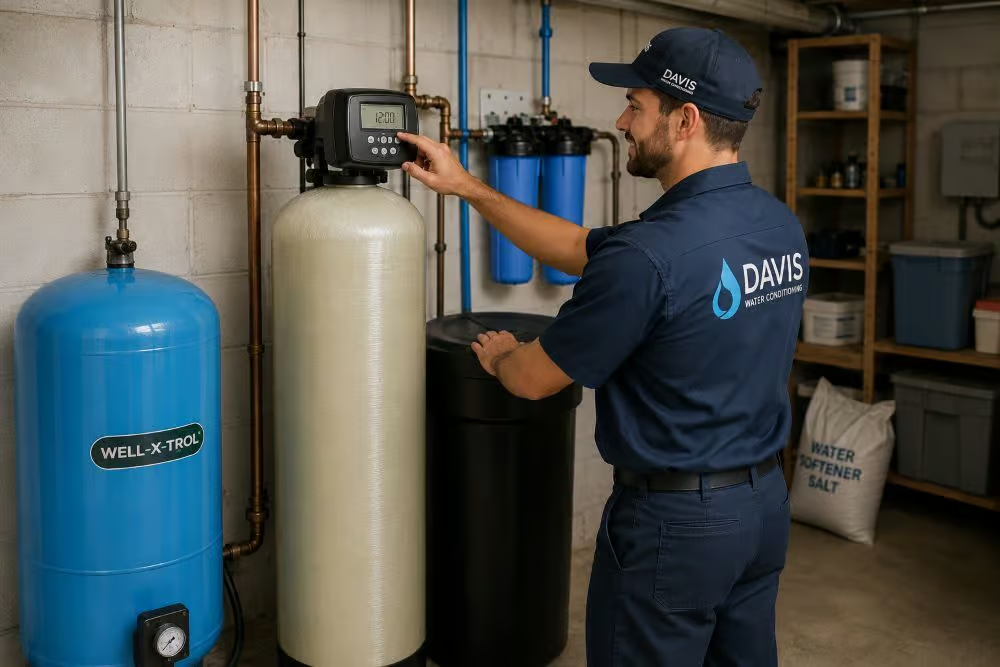
A basic household filter can be useful, but its capabilities are limited. Different technologies address different substances, and no single treatment method automatically solves every water quality problem.
Some properties require additional treatment to address concerns that ordinary sediment or activated carbon filters cannot adequately manage.
For instance, a household with excessive calcium and magnesium may benefit from water softening. Another property with elevated dissolved contaminants might require an appropriately certified membrane filtration system.
Where microbial contamination is identified, suitable ultraviolet or chemical treatment may be necessary.
These technologies can sometimes work together as part of a carefully designed system.
However, installing multiple treatment components without understanding their purpose may increase expenses and maintenance requirements unnecessarily.
A qualified water treatment professional can help determine which technologies are appropriate based on laboratory findings, consumption patterns, and installation conditions.
Sometimes, the simplest solution turns out to be the most effective.
Recognizing Changes That Deserve Investigation
Water quality problems don’t always appear suddenly. Often, they develop through subtle changes that homeowners gradually become accustomed to.
Perhaps your morning coffee tastes slightly different. Maybe an unusual odor appears when you turn on the bathroom faucet, or sediment begins collecting around fixture screens.
Other signs worth investigating include:
- Unexpected changes in water color or clarity.
- Orange or reddish stains around plumbing fixtures.
- Persistent mineral deposits on glass surfaces.
- Unusual metallic tastes or unpleasant odors.
- Reduced water flow through certain fixtures.
These symptoms can have several underlying causes, including problems within the property’s plumbing system.
Rather than assuming a particular contaminant is responsible, arrange appropriate testing to identify the source.
If contamination is suspected, follow relevant public health guidance and use a verified safe alternative for drinking and cooking until the concern is resolved.
Choosing Water Treatment Equipment That Fits Your Needs
There’s an enormous variety of water treatment products available, which can make purchasing decisions rather confusing.
Begin by identifying what you want the equipment to accomplish.
Are you primarily concerned about excessive hardness, unpleasant tastes, suspended particles, or specific contaminants?
Once those objectives are established, compare systems with independently verified performance claims relevant to your water conditions.
Household consumption, equipment capacity, installation space, and ongoing expenses should also influence your decision.
A family with several bathrooms may need a different system from someone living alone in a small apartment.
An appropriate treatment solution should meet your requirements without introducing unnecessary complexity or operating costs.
Maintaining Better Water Quality Over Time
Installing treatment equipment doesn’t mean you can forget about water quality altogether.
Filters eventually reach their capacity, specialized treatment media require servicing, and operating conditions can change over time.
Follow manufacturer maintenance recommendations, keep track of replacement schedules, and arrange periodic testing where appropriate.
Regular testing is particularly valuable because declining treatment performance isn’t always accompanied by noticeable symptoms.
Making Better Water an Everyday Priority
Water quality influences countless little moments throughout the day. Preparing a favorite meal, enjoying a refreshing shower, or simply filling a glass without worrying about unusual tastes.
Understanding your water supply, choosing suitable treatment equipment, and maintaining it properly can make those experiences more reassuring.
Ultimately, improving water quality isn’t about purchasing every available filtration technology. It’s about making informed decisions that address genuine concerns, protect your property, and contribute to a more comfortable home for years to come.