Water is part of nearly every routine at home. We use it to make morning tea, wash vegetables, take showers, clean floors, and run appliances without giving it much thought. Most days, we simply turn on the tap and get on with life. But when water leaves behind white marks on faucets, carries an unusual smell, or tastes different from what we’re used to, it becomes difficult to ignore.
These small signs can raise a bigger question: what is actually coming through the pipes? Water supplied by a municipal utility or drawn from a private well may contain minerals, sediment, chlorine, or other substances that affect its appearance, taste, and suitability for different household uses. The right treatment approach depends on the source and the issues found during testing. For many homeowners, a properly selected filtration setup can make everyday water use more comfortable and predictable.
What Whole-Home Filtration Actually Means
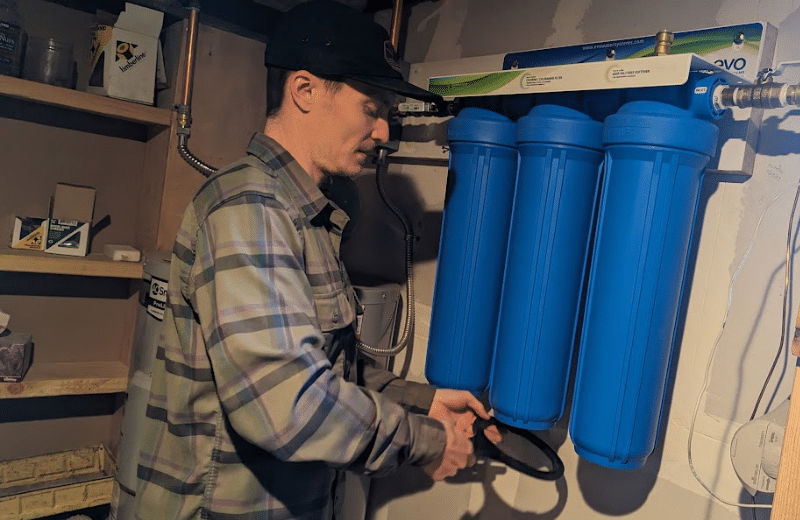
A drinking water filter usually treats water at one specific tap, often in the kitchen. A whole-house approach works differently. It treats incoming water before it travels through the plumbing system, allowing treated water to reach multiple fixtures throughout the property.
This is where whole home filtration becomes worth considering. Rather than focusing only on drinking water, the goal is to address relevant water concerns across the house. Depending on the equipment selected, treatment may reduce sediment, improve chlorine-related taste and odor, or target certain other contaminants.
Still, there isn’t one filter that solves every possible water problem. A sediment filter, for example, can capture suspended particles but won’t necessarily remove dissolved minerals. Activated carbon can improve certain taste and odor issues, while specialized treatment media may be needed for particular contaminants. Choosing equipment without understanding the water first can lead to disappointing results.
Start by Understanding Your Water
Before investing in a filtration system, find out what needs attention. Water that looks clear isn’t automatically free from unwanted substances, and water that tastes unusual doesn’t necessarily have a dangerous contaminant. Appearance and taste offer clues, but they cannot provide a complete picture.
A professional water test can help identify issues such as hardness, iron, manganese, pH imbalance, or other substances relevant to the local supply. The exact tests depend on whether the property uses municipal water or a private well. Well owners, in particular, may need periodic testing for bacteria and other contaminants that ordinary filtration equipment may not address.
Testing also helps prevent unnecessary spending. If the main issue is sediment, a complex treatment setup designed for several unrelated problems may not be needed. On the other hand, if the test identifies a contaminant that presents a health concern, the treatment method should be selected specifically for that substance.
Choosing a System That Fits Your Home
Shopping for water treatment can feel confusing at first. There are different filter types, flow rates, replacement schedules, and installation requirements to consider. A system that works well for a small household might not be suitable for a larger property with several bathrooms and high water demand.
Well-designed whole home filtration systems are selected according to the property’s water results, daily usage, plumbing configuration, and treatment goals. Some homes need sediment filtration followed by activated carbon. Others may require additional treatment, such as a water softener for hardness or a specialized unit for a particular contaminant.
Flow rate matters more than many people realize. If a filter cannot handle the household’s peak demand, water pressure may drop when multiple showers, taps, or appliances operate simultaneously. A qualified installer can assess these practical details and recommend equipment that treats the water without making everyday routines inconvenient.
It’s also sensible to ask about maintenance before making a purchase. Find out how often cartridges or media need replacement, whether the equipment requires electricity or drainage, and what the expected operating costs will be. The initial price is only one part of the decision.
How Better Water Can Support Everyday Comfort
When a treatment system addresses a real water issue, the benefits may become noticeable in ordinary ways. Water may have a more pleasant smell, cloudy particles may be reduced, and certain unpleasant tastes may become less obvious. Depending on the treatment method, homeowners may also find that water feels different during bathing or that some cleaning tasks become easier.
However, expectations should stay realistic. Filtration does not automatically eliminate every mineral deposit, and it cannot guarantee that plumbing fixtures will remain spotless. Hard water, for instance, contains dissolved calcium and magnesium. Removing sediment or chlorine won’t necessarily solve those mineral-related problems; a properly sized water softener may be more appropriate.
The same principle applies to health concerns. A general-purpose filter should never be assumed to remove every harmful microorganism or chemical. If testing reveals a specific risk, select a treatment technology certified or independently verified for that particular purpose. Follow the manufacturer’s instructions and maintain the equipment as recommended.
Maintenance Is Part of the Investment
Even a well-chosen system needs attention. Filters collect material over time, and some treatment media gradually lose effectiveness. Leaving components in service beyond their recommended life can reduce performance and may affect water flow.
Create a simple maintenance schedule and keep a record of cartridge changes, inspections, and service visits. Watch for changes in water pressure, taste, odor, or appearance, but don’t rely on these signs alone to determine whether the equipment is working correctly. Some treatment problems are not visible or noticeable without testing.
Maintenance costs should be considered from the beginning. Ask the supplier about replacement parts, service availability, warranty terms, and the likely lifespan of key components. A system that’s affordable to purchase but difficult or expensive to maintain may not be the best long-term choice.
Think Beyond the Initial Installation
Water treatment is not a one-time decision that never needs revisiting. Household needs can change, plumbing can age, and water sources may vary over time. Renovations, additional bathrooms, or a change from municipal water to a private well can all affect the suitability of existing equipment.
Regular testing helps you understand whether the treatment arrangement is still doing its job. It can also reveal when a filter needs replacing or when another treatment stage may be necessary. For private wells, follow local public health guidance on testing frequency and the contaminants that should be checked.
Good planning supports better water quality by connecting the treatment method to actual test results instead of guesswork. It also helps homeowners avoid buying equipment that promises more than it can reasonably deliver.
Making a Confident Choice
Clean, dependable water begins with understanding what comes into the home. Start with testing, identify the concerns that matter most, and compare treatment options based on their verified performance, maintenance needs, and suitability for your plumbing system.
Ask clear questions, read product specifications carefully, and work with a qualified professional when the situation calls for it. Most importantly, don’t assume that the most complicated system is automatically the best one.
When filtration is selected thoughtfully and maintained properly, it can become a useful part of a comfortable, well-managed home. The aim isn’t to chase perfect water or spend money on every available feature. It’s to find a practical solution that addresses your household’s needs and delivers reliable results day after day.