Good drinking water is one of those things we tend to take for granted until it becomes inconvenient. Perhaps the office water cooler runs empty halfway through a busy afternoon, or the family keeps buying plastic bottles because the tap water doesn’t taste quite right. These small frustrations add up, especially when several people rely on the same water supply every day.
Fortunately, getting drinking water doesn’t have to involve constantly restocking bottles or making room for bulky storage containers. Modern dispensing systems offer a practical alternative, providing convenient access to drinking water while helping households and businesses rethink how they manage everyday hydration.
The real benefit isn’t just convenience. It’s about making clean drinking water easier to access, reducing unnecessary waste, and creating a setup that suits the way people actually live and work.
Why Drinking Water Convenience Matters More Than We Think
Most people know they should drink enough water throughout the day. Actually doing it can be another story. Meetings run late, household chores pile up, and a busy workday passes before anyone realises they’ve barely had a glass.
Having drinking water readily available removes one small obstacle. In offices, employees can refill their glasses without interrupting their work for a trip to the shop. At home, children can fill their bottles before school, and guests don’t have to wait while someone searches for chilled water in the refrigerator.
A well-placed dispenser can make a difference in shared spaces, too. Reception areas, staff rooms, kitchens and waiting rooms all benefit from having a reliable source of drinking water. It may seem like a minor improvement, but small conveniences often become the things people appreciate most.
Moving Beyond Traditional Bottled Water
Bottled water has its place. It’s useful while travelling, during outdoor activities, or when a dependable alternative isn’t available. However, relying on packaged water for everyday drinking can create recurring expenses and storage problems.
Businesses may need to order cases regularly, organise deliveries and find somewhere to store them. Families face similar hassles, particularly when several people go through bottled water quickly. Empty containers also need to be collected, recycled where possible, or disposed of responsibly.
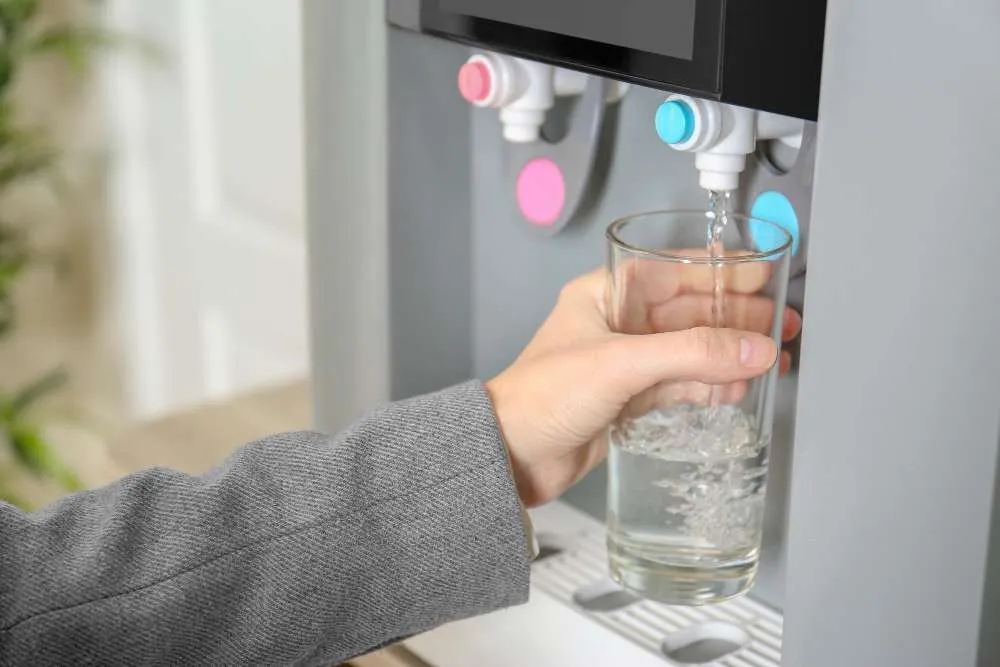
This is one reason bottleless water coolers and dispensers have become an appealing option for homes and workplaces. Rather than relying on large replacement bottles, these systems connect to a suitable water supply and may use filtration to improve its taste and quality.
Depending on the model, users can access chilled, ambient or hot water from the same unit. That flexibility is useful for everything from filling a reusable bottle to preparing tea or making a quick drink during a meeting.
Of course, a bottleless dispenser isn’t automatically the right choice for everyone. Its suitability depends on the existing water supply, the space available, installation requirements and the type of treatment needed. Understanding those factors first helps avoid paying for features that nobody really needs.
What to Consider When Choosing a Water Dispenser
With so many models available, choosing a system can feel surprisingly complicated. The best starting point is to think about who will use it and how often.
A small household might need a compact countertop unit, while a busy workplace could benefit from a freestanding dispenser with a higher dispensing capacity. A reception area may prioritise appearance and ease of use, whereas a staff kitchen might need something durable enough to handle frequent refilling throughout the day.
Water temperature is another consideration. Chilled water is especially welcome in warmer weather, while a hot-water function can be useful for tea and other hot drinks. If the dispenser will be used by children, safety locks and stable construction deserve extra attention.
Filtration also matters, but it shouldn’t be selected on guesswork alone. Different filters target different concerns. Some reduce chlorine and improve taste, while specialised systems may address particular contaminants when properly designed and certified to do so.
If you’re unsure about your water quality, consider having it tested or reviewing reliable information from your water supplier. Choose a treatment system that addresses the actual problem rather than assuming every water supply requires the same filtration method.
Installation and Ongoing Support Make a Difference
Even a high-quality dispenser can become a source of frustration if it’s installed poorly or neglected after setup. Water connections must be appropriate, the unit needs sufficient space, and the surrounding area should allow easy cleaning and maintenance.
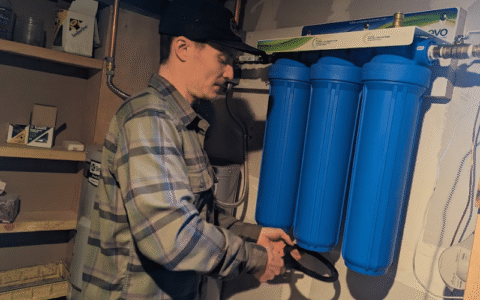
This is where professional installation & local support can provide real value. A qualified installer can assess the location, check the connection requirements and explain how the equipment should be maintained. That initial guidance is particularly helpful for offices and commercial environments where downtime can disrupt daily routines.
Before purchasing, ask what installation includes. Does the service cover the necessary plumbing connection? Are replacement filters readily available? Who should you contact if the unit develops a leak or stops cooling properly?
These questions might not seem exciting when comparing products, but they’re worth asking. A dependable support arrangement can save time and help prevent minor issues from becoming expensive repairs.
Regular maintenance remains essential. Filters should be replaced according to the manufacturer’s instructions, dispensing outlets should be cleaned, and any unusual taste, odour or leakage should be investigated promptly. A dispenser is only as dependable as the care it receives.
A Practical Step Towards Reducing Plastic Waste
For households and organisations trying to reduce their environmental footprint, changing drinking-water habits can be a sensible place to begin.
A connected dispenser can reduce the need to purchase individually packaged water for routine use. When people bring reusable bottles or cups, fewer single-use containers may be needed over time. Offices can also make refilling easier by placing dispensers in accessible communal areas.
Still, environmental benefits depend on the full picture. Electricity consumption, replacement filters, equipment lifespan and local recycling options all matter. A thoughtfully chosen, well-maintained unit is generally a better investment than buying equipment that doesn’t suit the space or usage level.
The simplest approach is often the most effective: make reusable containers convenient, provide reliable drinking water, and establish a maintenance routine that keeps the system working properly.
Making Water Quality Part of Everyday Wellbeing
Clean drinking water supports ordinary routines in ways that are easy to overlook. It helps people stay hydrated, makes cooking and preparing drinks more convenient, and can improve the experience of shared kitchens and workplaces.
A dispenser can also encourage healthier habits when it makes water easier to reach than sugary drinks. For families, that might mean keeping refillable bottles ready for school. For employers, it could mean placing a dispenser where staff naturally take breaks.
The phrase healthier water for every part of life captures an important idea: better access to drinking water should fit into daily routines rather than require extra effort. However, no dispenser can guarantee safe water on its own. The source water, treatment technology and maintenance schedule all influence the final result.
It’s also worth remembering that drinking-water equipment is just one part of a healthy environment. Good hygiene, sensible food choices, regular physical activity and adequate rest remain important, too.
Finding the Right Balance Between Cost and Convenience
Price matters, but the cheapest unit isn’t always the most economical choice over several years. Compare the initial purchase cost with installation, filter replacements, electricity use, servicing and expected lifespan.
For businesses, consider how much time and money currently go towards ordering, transporting and storing bottled water. Households should look at their typical weekly water consumption and the cost of their existing arrangement.
A dispenser that matches actual demand can provide better value than an oversized system with features that rarely get used. Look for clear warranty terms, accessible replacement parts and maintenance instructions you can realistically follow.
Ultimately, choosing a modern water dispenser is about making an everyday necessity simpler. With the right equipment, suitable filtration and consistent care, drinking water can become one less thing to worry about at home or at work. And sometimes, that quiet reliability is exactly what a good investment should deliver.