Category: Home Services

  • A Practical Guide to Getting More From Your Commercial Chiller

    A Practical Guide to Getting More From Your Commercial Chiller

    A commercial chiller isn’t the sort of equipment most people notice when everything is going well. It sits somewhere in the background, quietly removing heat and helping a building, process or facility stay within the temperatures it needs.

    Then something changes.

    The system starts running longer than usual. Energy costs creep upward. Water temperatures aren’t quite where they should be. Maybe there’s an unfamiliar vibration coming from the equipment room. At first, these things can seem minor. They often aren’t.

    Chillers are substantial investments, and their performance can have a direct effect on comfort, production, refrigeration and operating costs. Treating them as “set it and forget it” equipment can therefore be an expensive habit.

    The good news? A little attention goes a long way. Understanding installation, repairs and routine care can help businesses get more dependable performance from their cooling equipment for years.

    Start With the Installation

    The foundation of good chiller performance begins before the equipment ever starts operating.

    Professional chiller installation requires more than positioning a machine and connecting a few lines. Equipment needs to be correctly sized for the intended load, installed with appropriate clearances and connected to the building’s electrical, water and control systems according to applicable requirements.

    Location matters, too.

    Technicians need to consider airflow, accessibility for future service, vibration, drainage and the surrounding environment. A poorly planned installation can create headaches that show up months or years later.

    It’s tempting to focus heavily on the equipment’s purchase price. But installation quality deserves just as much attention. Saving money on installation isn’t much of a bargain if the system later develops avoidable performance problems.

    Correct Sizing Is a Big Deal

    Bigger isn’t automatically better.

    An oversized chiller can cycle differently than intended and may not provide the expected efficiency or temperature control. An undersized unit may struggle continuously during periods of high demand.

    Proper sizing considers the actual cooling load rather than relying on rough assumptions.

    Building conditions, process requirements, occupancy, equipment heat and seasonal demand can all influence that calculation. In industrial environments, the cooling requirements may be even more specialized.

    A professional assessment before purchase can help avoid the expensive mistake of selecting equipment based simply on what seems powerful enough.

    Pay Attention to Performance Changes

    Chillers rarely fail without giving some kind of clue.

    Sometimes the warning is obvious. Other times it’s subtle.

    Perhaps the system takes longer to reach its target temperature. Maybe the compressor runs more frequently. There could be unusual sounds, pressure changes or unexplained increases in energy consumption.

    These symptoms don’t necessarily mean the chiller is about to fail tomorrow. But they do suggest that something has changed.

    The earlier a problem is investigated, the more options you usually have. A small adjustment or component replacement may be enough. Waiting until the system stops completely can turn a manageable issue into a major repair.

    Repairs Should Begin With Diagnosis

    When a chiller isn’t operating properly, replacing parts at random isn’t a good strategy.

    Professional chiller repair should begin with diagnosis. A technician needs to understand what the equipment is doing, test relevant components and identify the likely cause of the problem.

    For example, poor cooling performance could have several possible causes. Refrigerant-related issues, airflow restrictions, dirty heat-transfer surfaces, control faults or mechanical problems can produce overlapping symptoms.

    Finding the actual cause helps prevent repeated breakdowns.

    It also helps businesses spend money wisely. Nobody wants to pay for a replacement component only to discover that another underlying issue remains unresolved.

    Energy Consumption Tells You Something

    Chillers can be significant energy users, particularly in large commercial and industrial facilities.

    That’s why energy consumption deserves attention.

    A gradual increase may indicate aging equipment, reduced efficiency, fouled heat-transfer surfaces or changing building demands. Of course, utility costs can also change for reasons unrelated to the chiller, so one high bill isn’t proof of a mechanical problem.

    Look for patterns.

    If the system is using noticeably more energy while the building’s operating conditions remain similar, an efficiency assessment could be worthwhile.

    Sometimes the solution is surprisingly straightforward.

    Cleanliness Has a Practical Purpose

    Dirt doesn’t care how expensive your chiller was.

    Dust, debris and other buildup can interfere with heat transfer and airflow. In some environments, the equipment may be exposed to much harsher conditions than others.

    Keeping accessible areas clean and following appropriate maintenance procedures can help the system operate as intended.

    However, cleaning isn’t simply a matter of spraying everything down. Different components require different approaches, and some work should be handled by qualified technicians.

    The goal is not to make the equipment look shiny for its own sake. It’s to keep heat moving efficiently and reduce unnecessary strain.

    Maintenance Is About Prevention

    Routine service can feel unnecessary when a chiller is operating normally.

    That’s exactly when it’s most useful.

    Chiller maintenance gives technicians an opportunity to identify developing problems before they become emergency failures. Depending on the system, maintenance may include inspections of electrical components, controls, pumps, heat-transfer surfaces, connections and operating conditions.

    The appropriate schedule depends on the equipment and how heavily it is used. A chiller running around the clock in an industrial facility may require a different maintenance approach from a system serving a smaller commercial building.

    A written maintenance plan can also make budgeting easier because service becomes predictable instead of purely reactive.

    Water Quality Shouldn’t Be Ignored

    For water-cooled systems, water quality can have a major influence on performance.

    Mineral deposits, corrosion and biological growth can interfere with heat transfer and affect system components. Water treatment requirements depend on the equipment and local conditions, so businesses should follow appropriate professional guidance and manufacturer recommendations.

    Ignoring water quality can gradually reduce efficiency even when the chiller appears to be functioning normally.

    It’s one of those problems that may develop slowly enough that nobody notices until performance has already declined.

    Keep Records

    Service records are surprisingly useful.

    Documenting repairs, inspections, component replacements and performance concerns creates a history of the equipment. That history can help technicians diagnose future problems and help owners understand whether a system is becoming more expensive to operate.

    It can also support better replacement decisions.

    If a chiller has required increasingly frequent repairs over several years, the record provides useful evidence. Instead of making a decision based on frustration during an emergency, you can look at the bigger picture.

    Repair or Replace?

    Eventually, every chiller reaches the end of its practical service life.

    The question is knowing when.

    Consider age, efficiency, repair frequency, parts availability and expected future operating costs. A relatively young system with one significant problem may be an excellent candidate for repair.

    An aging system with repeated failures and declining efficiency is a different story.

    Replacement doesn’t have to be an emergency decision. In fact, planning ahead is usually preferable. Businesses can compare equipment options, estimate installation costs and schedule the work during a suitable period.

    Choose Service Based on More Than Price

    When selecting a technician or service company, the cheapest quote isn’t always the best value.

    Look for relevant experience, clear communication and familiarity with the type of chiller you operate. Ask how technicians approach diagnosis, what maintenance services are available and how emergency issues are handled.

    A good provider should be willing to explain recommendations without turning every conversation into a sales pitch.

    That matters because chiller service is often a long-term relationship, not a one-time transaction.

    Think Beyond the Next Repair

    A chiller is part of a larger system. Its performance affects the building, equipment, production schedules and energy budget around it.

    That makes proactive care worthwhile.

    Install the equipment properly. Monitor changes in performance. Address unusual behavior before it becomes a failure. Keep up with appropriate maintenance and maintain clear service records.

    Most importantly, don’t wait for the worst possible day to start thinking about the cooling system.

    Reliable chiller performance doesn’t happen by accident. It comes from good decisions made consistently — sometimes years before anyone realizes those decisions mattered.

    And when the equipment keeps running quietly in the background, doing exactly what it’s supposed to do, that’s usually a sign those decisions were worth making.

  • Building a Water System That Works for Everyday Life

    Building a Water System That Works for Everyday Life

    Water is one of those things most people only think about when something goes wrong. A strange taste shows up in the kitchen tap. The shower pressure drops. White mineral marks appear on the sink, or an appliance starts behaving badly. Suddenly, something as ordinary as turning on a faucet becomes a small daily annoyance.

    A well-planned water system can prevent many of these problems before they become expensive repairs. More importantly, it can make the water around your home more pleasant and dependable. The right setup isn’t necessarily the biggest or most complicated one. It should match the quality of your incoming water, your household needs, and the problems you’re actually trying to solve.

    Start With the Water You Already Have

    Before choosing equipment, it’s worth understanding what’s coming through your pipes. Water quality can vary considerably from one property to another. Municipal supplies may contain disinfectants such as chlorine, while private wells can have elevated minerals, sediment, sulfur odors, or other naturally occurring substances.

    A water test gives you a much clearer starting point than guessing from taste or appearance. Some problems are obvious, but others aren’t. Water can look perfectly clear while still containing dissolved minerals or other substances that affect its characteristics.

    Testing also helps prevent over-treatment. Installing several filtration stages simply because they sound useful isn’t always a smart approach. Each treatment method has a particular purpose, and knowing what is actually present lets you choose equipment with more confidence.

    Filtration Is About More Than Taste

    When people hear the word filtration, they often think about making drinking water taste better. That’s certainly part of it, but filtration can do much more.

    Sediment filters can capture particles such as sand, dirt, and rust. Activated carbon can reduce chlorine and help improve taste and odor, while specialized systems are designed for particular contaminants. Depending on the water source, a household may need one treatment method or a combination of several.

    The key is matching the filter to the problem. A carbon filter, for example, isn’t a universal solution for every water-quality concern. Likewise, reverse osmosis can provide highly treated drinking water, but it isn’t automatically necessary for every household.

    Good treatment is targeted treatment. It’s less about having the most equipment and more about having the right equipment.

    Think About the Whole House

    Drinking water isn’t the only water that matters. The water used for showers, laundry, cooking, cleaning, and appliances can affect everyday comfort and maintenance.

    Hard water is a common example. High levels of calcium and magnesium can contribute to scale buildup inside plumbing fixtures and appliances. Over time, that buildup may affect water heaters, faucets, showerheads, and other equipment. Soap can also behave differently in hard water, leaving residue on surfaces and making cleaning feel like more work than it should be.

    A water softener may help in situations where hardness is the main concern. But again, testing matters. Softening isn’t the answer to every water-quality issue, and the system should be sized according to household water use.

    Safety and Efficiency Should Work Together

    A household water setup shouldn’t only focus on purification. Efficiency matters too. A system that wastes excessive water, requires constant attention, or uses poorly matched equipment may create new frustrations.

    Modern homeowners can also consider monitoring technology. Leak detection devices, flow monitors, and automatic shutoff equipment can provide an additional layer of protection. A small unnoticed leak under a sink may seem harmless at first, but water damage can become surprisingly costly when it continues for hours or days.

    This is where technology becomes genuinely useful rather than just another gadget. A system that alerts you when something unusual happens can give you information at the moment you need it. Some households may benefit from automatic shutoff protection, particularly in areas where plumbing failures could cause significant property damage.

    Maintenance Is Part of the System

    Even the best equipment needs attention. Filters have to be replaced. Softener components may need servicing. Storage tanks, pumps, valves, and connections should be checked periodically.

    Skipping maintenance can reduce performance and sometimes create problems that are difficult to diagnose later. A filter that’s far beyond its recommended replacement interval, for instance, shouldn’t be expected to perform as though it were new.

    A simple maintenance calendar can make a big difference. Keep track of filter changes, professional inspections, salt replenishment where applicable, and any unusual changes in pressure, taste, smell, or flow. It takes only a few minutes to record these things, but that information can be valuable when troubleshooting.

    Don’t Forget About Water Pressure

    Water quality gets most of the attention, but pressure deserves a place in the conversation too. Low pressure can make showers frustrating and reduce the performance of fixtures. Excessively high pressure, meanwhile, can put unnecessary stress on plumbing components.

    Pressure tanks, booster pumps, regulators, and other equipment may be appropriate depending on the property and its water source. Homes supplied by private wells can have very different requirements from homes connected to municipal systems.

    The important thing is to look at the plumbing as a connected system. Changing one component can affect another. That’s why professional assessment can be useful, especially when a property has unusual pressure problems or aging plumbing.

    Choosing Equipment Without Overcomplicating Things

    There’s a temptation to buy the most advanced equipment available. More stages, more features, bigger capacity — it can all sound impressive. But bigger doesn’t always mean better.

    A practical approach is to identify the main concern first. Is the issue taste? Hardness? Sediment? A particular contaminant? Poor pressure? Frequent leaks? Once the problem is clear, the appropriate treatment becomes easier to determine.

    For example, a household primarily concerned about drinking-water taste may need a very different setup from a property dealing with hard well water. Similarly, a large commercial building has different flow requirements from a small family home.

    Professional installation also matters. Correct sizing, plumbing connections, pressure settings, drainage, and placement can influence how well equipment performs over time. A good installer should be willing to explain what each component does instead of simply recommending a long list of products.

    A Cleaner Routine Starts With Better Planning

    There is something reassuring about knowing the water in your home is being handled thoughtfully. You turn on the tap, fill a glass, take a shower, run the washing machine — and don’t have to wonder whether the system is struggling behind the walls.

    That doesn’t mean every home needs a complicated treatment plant. In many cases, a straightforward combination of testing, filtration, softening, monitoring, and regular maintenance is enough.

    The real goal is water clean, safe, and efficient enough for the ways you actually use it, without unnecessary complexity or expense.

    Water is easy to take for granted because it is always there — until it isn’t. A little planning can go a long way toward keeping it reliable. Test first, choose equipment based on evidence, maintain it consistently, and pay attention when something changes. That’s a much more sensible foundation for long-term water quality than simply buying whatever system happens to look impressive.

    In the end, good water treatment isn’t really about technology. It’s about making everyday life a little easier, protecting the things you’ve invested in, and having confidence every time you reach for the tap.

  • A Smarter Way to Manage Water Quality at Home

    A Smarter Way to Manage Water Quality at Home

    Water is one of those household essentials that tends to disappear into the background. You turn on a faucet, fill a glass, start the washing machine, and don’t give it another thought. Until, of course, the water tastes different, the showerhead develops a crusty white coating, or you suddenly notice a puddle where there shouldn’t be one.

    Modern water treatment technology can make these problems easier to manage, but choosing the right equipment isn’t always straightforward. There are filters, softeners, purification systems, sensors, and plenty of smart technology competing for attention. Some are genuinely useful. Others may be unnecessary for a particular home.

    The trick is figuring out what your water actually needs, then choosing equipment that fits your household rather than trying to make your household fit the equipment.

    Start by Paying Attention to Your Water

    Before shopping for a treatment system, notice what’s happening around your home.

    Does your water leave spots on glasses? Is there mineral buildup around faucets? Does the water have an unusual smell or taste? Has the pressure changed recently?

    These observations don’t necessarily tell you exactly what’s wrong, but they provide clues.

    Water testing can take the guesswork a step further. Depending on your water source and concerns, testing may look at hardness, pH, chlorine, sediment, dissolved minerals, or other characteristics.

    This is especially important if you’re relying on a private well. Conditions can change, and assumptions based on what the water looked like five years ago aren’t particularly helpful today.

    The Rise of Smart Water Monitoring

    One of the more interesting developments in home water management is the use of smart water monitoring systems.

    These devices can monitor things such as water flow, pressure, or unusual usage patterns. Some systems can send alerts to a smartphone when they detect activity that doesn’t look normal.

    Imagine leaving for a weekend and receiving an alert that water has been running continuously for several hours. That’s not exactly the notification anyone wants while they’re trying to relax, but it could give you a chance to act before a small leak becomes a flooded room.

    Smart monitoring can also help homeowners understand their habits. Maybe the household uses more water than expected during certain hours, or an appliance appears to be consuming water unusually often.

    Technology can’t fix every plumbing problem, but better information can certainly help.

    Reverse Osmosis Is Different From Softening

    A common source of confusion is the difference between filtration, reverse osmosis, and water softening.

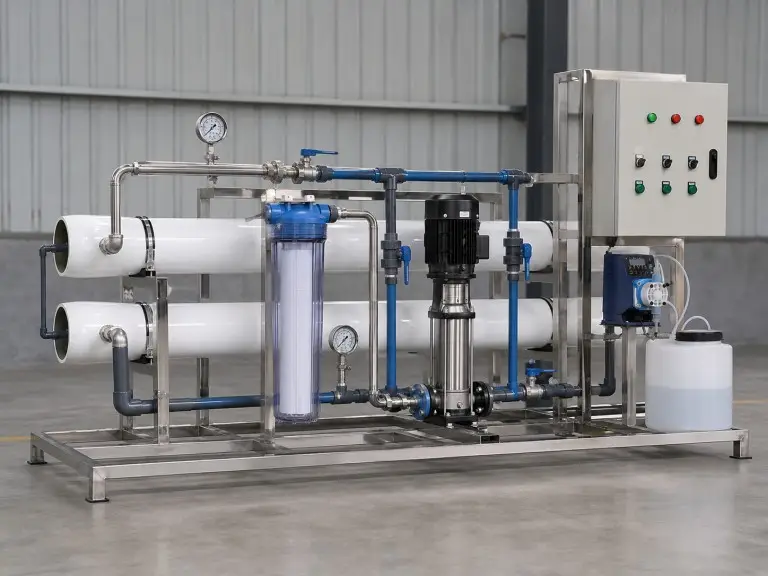
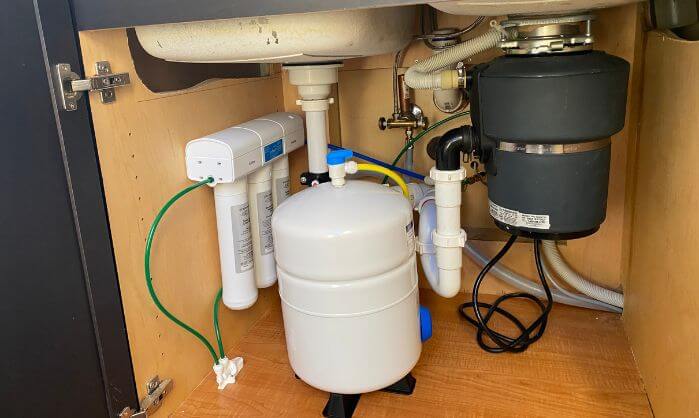
    reverse osmosis systems use a semipermeable membrane to reduce many dissolved substances from water. They’re commonly installed as point-of-use systems for drinking and cooking water.

    They’re not designed to solve every household water issue, though.

    Reverse osmosis can also produce a concentrated wastewater stream, and the system requires periodic filter and membrane replacement. Water pressure and the quality of the incoming water can influence performance.

    For a household mainly concerned with drinking-water quality, reverse osmosis may be a sensible option. For whole-home hard-water problems, another treatment approach may be more appropriate.

    The difference sounds technical, but the basic idea is simple: choose treatment according to the problem.

    Hard Water Has a Way of Making Itself Known

    If you’ve ever cleaned white residue from a faucet only to see it return a few days later, you’ve probably encountered hard water.

    Hard water contains minerals, particularly calcium and magnesium. It isn’t necessarily a safety concern, but it can be a nuisance. Mineral scale can build up on fixtures and inside appliances, while soap may lather differently.

    That’s where water softener systems can become useful.

    A water softener generally uses ion-exchange technology to reduce hardness minerals. The result can be less scale and softer-feeling water, depending on the home’s water chemistry and system setup.

    But again, testing comes first. If hardness isn’t actually a concern, installing a softener may add unnecessary expense and maintenance.

    Smart Doesn’t Mean Maintenance-Free

    It’s easy to assume that a connected device can simply take care of itself.

    Unfortunately, technology hasn’t reached that magical stage yet.

    Sensors need power. Filters need replacement. Software may occasionally require updates. Equipment still needs physical inspection, and a phone notification isn’t much help if nobody responds to it.

    Smart monitoring works best when it becomes part of a sensible maintenance routine.

    Check the device periodically. Make sure alerts are configured correctly. Replace batteries or other consumable components as recommended. And don’t ignore repeated warnings simply because the system hasn’t shut anything down yet.

    A warning is useful only when somebody pays attention to it.

    Think About Your Appliances, Too

    Water quality doesn’t affect only the water you drink.

    Hard water and sediment can influence water heaters, washing machines, dishwashers, faucets, and shower fixtures. Over time, deposits can reduce efficiency or contribute to wear.

    This doesn’t mean every appliance needs its own treatment system. It simply means water quality is part of the bigger picture of home maintenance.

    If you’re replacing a water heater or renovating a kitchen, it’s a good opportunity to think about what’s happening with your water as a whole.

    Sometimes one improvement can make several other parts of the house easier to maintain.

    Don’t Let Technology Distract You From the Basics

    There’s a temptation to buy the newest system because it has an app, a digital display, or a long list of features.

    But technology isn’t automatically an advantage.

    A simple, well-maintained filtration system may be more useful than a complicated setup that nobody understands. Likewise, a smart leak monitor won’t compensate for badly maintained plumbing.

    Start with the fundamentals: test the water when appropriate, identify the actual problem, and understand how much water your household uses.

    Then consider whether smart features would genuinely make your life easier.

    If the answer is yes, great. If not, there’s no shame in keeping things simple.

    Maintenance Is Where the Real Value Appears

    Whatever system you choose, maintenance matters.

    Keep track of filter changes. Follow recommended service intervals. Watch for leaks, changes in pressure, strange sounds, or declining performance.

    If something seems wrong, don’t immediately assume the entire system has reached the end of its life. A clogged filter, worn seal, faulty valve, or sensor issue may be responsible.

    Professional inspection can sometimes save the cost and hassle of premature replacement.

    It’s also worth keeping your system’s manuals and model information somewhere easy to find. When something needs attention, hunting through a junk drawer for paperwork isn’t anybody’s idea of fun.

    Choosing the Right System for Your Home

    There isn’t one perfect water treatment setup for every household.

    A family dealing with hard water may prioritize softening. Someone focused on drinking water might prefer reverse osmosis. A homeowner worried about unnoticed leaks could benefit from smart monitoring.

    And some homes may need a combination of technologies.

    The important thing is to avoid buying based solely on trends or sales claims. Ask what a system is designed to remove or detect, what it doesn’t address, how often it needs maintenance, and what the ongoing costs will be.

    Those questions are far more valuable than a flashy product description.

    Better Water Management Starts With Awareness

    The best home water systems don’t necessarily make life more complicated. Ideally, they do the opposite.

    They help you understand what’s happening, address specific water-quality concerns, protect parts of your plumbing, and catch potential problems earlier.

    Technology can certainly play a role, especially as smart monitoring becomes more accessible. But the foundation remains pretty old-fashioned: know your water, pay attention to changes, maintain your equipment, and don’t ignore small problems.

    After all, water should be one of the quietest parts of your home.

    When the right system is properly selected and cared for, it stays that way — quietly doing its job while you get on with yours.

  • How Commercial Water Management Supports Reliable Business and Industrial Performance

    How Commercial Water Management Supports Reliable Business and Industrial Performance

    Water is one of the most important resources in any business, yet it often receives attention only when a problem appears. A restaurant may suddenly notice scale inside its coffee machines. A hotel might struggle with cloudy glassware or unpleasant water odors. A factory could face equipment damage caused by sediment, mineral deposits, or inconsistent water quality.

    These issues are more than minor inconveniences. Water affects cleaning, heating, cooling, manufacturing, sanitation, employee comfort, and customer experience. When water quality is overlooked, the resulting costs can quietly grow through repairs, downtime, wasted energy, and reduced productivity.

    A thoughtful water management strategy helps businesses understand their supply, identify potential risks, and choose treatment methods that suit their actual needs. It is not about installing the most complicated system available. It is about making water work better for the people, equipment, and processes that depend on it.

    Why Commercial Water Quality Deserves Attention

    Commercial properties use water in many different ways. Offices need it for drinking, kitchens, washrooms, and cleaning. Hotels rely on it for guest rooms, laundry, food service, swimming pools, and housekeeping. Restaurants use water for cooking, washing ingredients, dishwashing, steam equipment, and sanitation.

    Industrial facilities often have even more demanding requirements. Water may be used in boilers, cooling towers, production lines, rinsing systems, chemical processing, and equipment cleaning. Each application can require different water characteristics.

    Hard water, for example, may not create an immediate health concern, but it can produce scale inside pipes and machinery. Sediment can clog valves and filters, while chlorine or sulfur compounds may affect taste and odor. Certain contaminants may also create safety or compliance concerns, depending on the industry and water source.

    The first step is to understand the problem rather than rely on assumptions. Water testing can reveal hardness levels, sediment, pH, dissolved solids, microbial concerns, and other characteristics that influence treatment decisions.

    The Value of Commercial Water Solutions

    Well-designed commercial water solutions help businesses manage water quality in a practical, cost-conscious way. Depending on the property, this may include sediment filtration, activated carbon treatment, water softening, reverse osmosis, ultraviolet disinfection, or specialized systems for specific contaminants.

    Sediment filters can remove particles such as sand, dirt, rust, and debris before they enter sensitive equipment. Carbon filters are commonly used to improve taste and odor while reducing chlorine and certain organic compounds. Water softeners are intended to reduce hardness minerals that contribute to scale and soap inefficiency.

    Reverse osmosis systems may be useful where businesses need lower levels of dissolved solids or improved drinking-water quality. In some settings, ultraviolet treatment is added to support microbial control. The technologies can be used individually or combined into a multi-stage treatment system.

    The important point is matching the equipment to the water problem. A system that works well for a small office may be inadequate for a hotel or manufacturing facility. Similarly, a solution designed for drinking water may not be suitable for high-volume process applications.

    How Water Quality Affects Commercial Operations

    Water quality has a direct influence on commercial operations. When water causes equipment problems, employees may spend more time cleaning, troubleshooting, or arranging repairs. In busy environments, even a short interruption can affect customers and revenue.

    Restaurants are a good example. Mineral deposits can collect inside espresso machines, dishwashers, ice makers, and hot-water equipment. These deposits may affect performance, reduce efficiency, and increase maintenance requirements. Poor water taste can also influence beverages, soups, and other prepared foods.

    In hotels, water quality affects guest satisfaction. Stained fixtures, dry-feeling water, unpleasant odors, and laundry residue can create a poor impression. Housekeeping teams may also need to use more cleaning products or spend extra time removing mineral spots.

    Office buildings may face fewer technical demands, but drinking-water taste, plumbing reliability, and restroom cleanliness still matter. Employees are more likely to use water regularly when it tastes and smells pleasant.

    A water treatment system cannot solve every operational issue, but it can reduce some of the avoidable problems that interrupt daily work.

    Industrial Processes Need More Specialized Planning

    In manufacturing and other industrial environments, water is often part of the process itself. It may be used for heating, cooling, rinsing, mixing, cleaning, or transporting materials. This makes water quality a technical concern rather than just a maintenance preference.

    For example, boilers generally require carefully managed water to reduce scale, corrosion, and other performance problems. Cooling towers may need treatment to control mineral deposits, microbial growth, and corrosion. In production facilities, even small changes in water chemistry can affect product quality or equipment reliability.

    Different industrial processes have different water requirements. A food-processing plant may focus heavily on sanitation and microbial control. A metal-finishing facility may need water with carefully controlled mineral content. A pharmaceutical or laboratory environment may require highly purified water for specific applications.

    Because the requirements vary so widely, industrial facilities should work with qualified water treatment professionals and process engineers. Water testing should be connected to the actual application, not treated as a generic checklist. The goal is to ensure that the water supports the process without introducing unnecessary risks or costs.

    Selecting the Right Treatment Technology

    Choosing a commercial water treatment system requires more than comparing equipment prices. Businesses should evaluate the source of the water, daily consumption, peak demand, existing plumbing, equipment sensitivity, and the consequences of water-quality problems.

    Important questions include:

    • Is the water supplied by a municipality, private well, or another source?
    • What contaminants or minerals are present?
    • Is treatment needed throughout the building or only at selected points?
    • How much water is used during peak operating hours?
    • Does the system need electricity, drainage, or chemical dosing?
    • How often will filters, membranes, or other components require replacement?
    • Are service technicians and replacement parts readily available?
    • Does the system meet relevant industry standards?

    A system that is too small may fail to keep up with demand. One that is unnecessarily large can increase installation and operating costs. Proper sizing is especially important for hotels, restaurants, healthcare facilities, and industrial plants where water use changes throughout the day.

    Maintenance Should Never Be an Afterthought

    Even a high-quality system needs regular attention. Filters can become saturated, membranes can lose performance, and softeners may require salt replenishment or servicing. If maintenance is ignored, the system may deliver inconsistent results and create additional problems.

    Businesses should maintain a clear schedule for filter replacement, water testing, pressure checks, cleaning, and equipment inspection. Service records are useful not only for performance tracking but also for audits, compliance reviews, and budgeting.

    Warning signs should be taken seriously. Reduced water pressure, unusual smells, changing taste, visible sediment, and increasing scale may indicate that treatment equipment needs attention. Planned maintenance is usually less disruptive than waiting for a complete failure.

    It is also worth calculating the full cost of ownership. A low-cost system may become expensive if replacement cartridges are difficult to source or need frequent changing. A slightly higher initial investment may be more practical if the equipment is durable, efficient, and supported by dependable service.

    The Importance of Professional Guidance

    Commercial water treatment decisions can become complicated, particularly when several water-quality concerns overlap. A qualified provider can conduct or arrange testing, review the property’s needs, recommend suitable technologies, and explain installation and maintenance requirements.

    Businesses should ask for clear information about system capacity, expected performance, warranties, operating costs, and service arrangements. A trustworthy provider should explain what the system can and cannot remove. No single treatment method eliminates every possible contaminant, and unrealistic promises should raise concerns.

    Professional guidance is especially important when water is used for food preparation, healthcare, manufacturing, or other regulated activities. In these settings, the wrong system may create more than a maintenance issue—it could affect safety, product quality, or compliance.

    Building a More Reliable Water Strategy

    Water management is an essential part of running a dependable business. From protecting equipment to supporting hygiene, customer satisfaction, and production quality, water influences more areas of an organization than many people realize.

    The smartest approach begins with testing and a clear understanding of how water is used. From there, businesses can select filtration, softening, purification, or disinfection technologies that match their specific requirements.

    Good water treatment is not simply about cleaner water coming from a tap. It is about reducing preventable problems, protecting valuable equipment, and keeping daily operations moving. With suitable planning and consistent maintenance, businesses can turn water from a hidden source of trouble into a dependable part of their success.

  • Moving Home in Aylesbury or Barking? What a Good Removals Company Actually Does for You

    Moving Home in Aylesbury or Barking? What a Good Removals Company Actually Does for You

    Moving day rarely goes wrong because of the big things. The sofa fits. The lorry turns up. What derails people is the small stuff nobody planned for: a van that can’t park within eighty metres of the front door, a stair turn that eats forty minutes, a box of kitchen bits that never got labelled and ends up under twelve others.

    Whether you’re leaving a Victorian terrace off Barking’s Longbridge Road or a new-build on the edge of the Vale of Aylesbury, the difference between a smooth move and a nine-hour ordeal usually comes down to preparation and the crew you hire. Here’s how to get both right.

    Two Very Different Moving Environments

    It’s worth understanding why quotes for the same amount of furniture can vary so much between these two areas.

    Aylesbury: Space, but Also Distance

    Aylesbury is a Buckinghamshire market town that has grown quickly, with large residential developments spreading out from the older centre. That mix matters. A move from a modern estate often means wide access, a driveway, and a straightforward load. A move from one of the older streets near the Market Square can mean the opposite — restricted access, limited on-street space, and a walk from van to door.

    Aylesbury also sits within commuter distance of London via Chiltern Railways, so a large share of local moves are either people arriving from the capital for more space, or people relocating within the Vale. Anyone comparing companies for Removals Aylesbury UK should ask specifically about long-carry charges and whether the quoted price assumes the vehicle can park directly outside.

    Barking: Density, Permits, and Low-Emission Rules

    Barking, in the London Borough of Barking and Dagenham, is a different proposition entirely. Terraced streets, converted flats, controlled parking zones, and the ongoing growth around Barking Riverside all shape how a move runs.

    Three practical points stand out here:

    • Parking. Many residential streets are permit-controlled. You may need to apply to the council to suspend a bay or obtain a dispensation so a removal vehicle can legally stop. Do this well in advance — it isn’t something to arrange the night before.
    • Emissions charges. Barking falls within Greater London, which is covered by the Ultra Low Emission Zone. Check whether your chosen firm’s vehicles are compliant and whether any charge is included in the quote or added later.
    • Access. Flats above shops, narrow hallways, and buildings without lifts all add time. Any company giving a firm price for Removals Barking UK should have seen the property, at least on video, before committing to a figure.

    How to Judge a Removals Firm Before You Book

    Price is the obvious comparison point, and the least useful one on its own. A few things tell you far more.

    Do they survey the property? A proper pre-move survey — in person or by video call — is the single best sign of a competent operation. A firm that quotes from a three-line email is guessing, and guesses get revised upward on the day.

    What does their insurance actually cover? Ask about goods in transit cover and public liability, and ask what the limit is per item. Standard cover often has a cap that a piano, a large TV, or antique furniture will exceed. If you own something valuable, declare it and get the cover confirmed in writing.

    Are they part of a recognised trade body? Membership of an organisation such as the British Association of Removers signals a company operating to an agreed standard, with a complaints process behind it. It isn’t a guarantee, but it’s a meaningful filter.

    Is the quote itemised? You want to see packing materials, labour hours, vehicle, storage if relevant, and any surcharges for stairs, long carries, or waiting time. Vague lump sums invite disputes.

    Are they a licensed waste carrier? If you’re asking them to take away old furniture or packaging, they need the right registration to dispose of it legally.

    What a Full-Service Move Typically Includes

    Not every firm offers everything, so confirm what’s in scope:

    1. Packing — either full packing by the crew, a part-pack of fragile items only, or materials supplied for you to do it yourself.
    2. Dismantling and reassembly — beds, wardrobes, flat-pack units. Flag anything complicated early; some items genuinely can’t be moved intact.
    3. Loading and transport — including protection for floors, banisters, and door frames.
    4. Unloading to the right room — this is why labelling boxes by room rather than contents saves the most time.
    5. Storage — useful when completion dates don’t line up, which happens more often than anyone expects.

    Common Mistakes That Cost Time and Money

    • Booking too late. Fridays and month-ends are the busiest slots. Good crews get reserved weeks ahead.
    • Underestimating volume. Lofts, garages, and sheds are routinely forgotten during surveys. Mention them.
    • Packing liquids and food loosely. Cleaning products, oils, and open bottles are the usual cause of ruined boxes.
    • Not preparing an essentials box. Kettle, mugs, tea, phone chargers, medication, toilet roll, a change of clothes. Keep it in your own car.
    • Assuming keys arrive on time. On completion days, keys can be released late in the afternoon. Ask your remover how waiting time is charged.

    Reducing the Cost Without Cutting Corners

    Move midweek and mid-month if your dates are flexible. Declutter properly before the survey, because you’re paying to transport volume. Do your own packing for clothes, books, and non-fragile items while leaving glassware and artwork to the crew. And get at least three written quotes based on the same scope, so you’re comparing like with like rather than optimism against caution.

    Frequently Asked Questions

    How far in advance should I book a removals company?

    Four to six weeks is sensible for a standard house move, and longer if you need a Friday or an end-of-month date. If your completion date is uncertain, ask whether the firm holds provisional bookings and what their cancellation terms are.

    Do I need to arrange parking for the removal van myself?

    In a controlled parking zone, usually yes — though many established firms will handle the application on your behalf. Check when you book. In Barking and other London boroughs, a bay suspension or dispensation from the council is often required, and applications take time to process.

    What is not covered by standard removals insurance?

    Typically, items you packed yourself, jewellery and cash, and anything above a stated per-item value limit. Cover for self-packed boxes is frequently excluded or reduced, so if you pack, pack well.

    Can removals firms take apart and rebuild furniture?

    Most will handle beds, wardrobes, and standard flat-pack. Older flat-pack doesn’t always survive a second assembly, and some fitted units are built in place and can’t be removed intact. Raise any unusual pieces during the survey.

    How long does a typical three-bedroom move take?

    A local move within Aylesbury or within Barking often runs to most of a working day, depending on access, stairs, and how ready everything is when the crew arrives. Poor access at either end is the biggest variable.

    Is it cheaper to hire a van and do it myself?

    Sometimes, for a small flat with easy access and willing help. For a family home, the savings shrink fast once you account for fuel, multiple trips, hired equipment, potential emissions charges in London, and the fact that you carry the risk of any damage yourself.

  • When Your Home Comfort System Needs More Than a Quick Fix

    When Your Home Comfort System Needs More Than a Quick Fix

    Most heating and cooling systems don’t suddenly stop working without giving some kind of warning first. There’s usually a strange noise, a room that never quite reaches the right temperature, an energy bill that looks higher than it should, or a system that seems to run forever.

    The trouble is, those little signs are easy to ignore.

    Maybe the house still feels comfortable enough. Maybe turning the thermostat down another degree seems to solve the problem for now. And, frankly, nobody wants to think about HVAC equipment when it appears to be doing its job.

    But small performance issues have a habit of becoming expensive ones. Knowing when your system needs attention—and what a technician should actually be checking—can save quite a bit of frustration later.

    A Problem Isn’t Always Where You Think It Is

    When an air conditioner isn’t cooling properly, the natural assumption is that something major has failed. The same thing happens when a furnace struggles during a cold night. People immediately start thinking about compressors, motors, or even complete replacement.

    Sometimes that’s the problem. Often, it isn’t.

    A thermostat may be reading the temperature incorrectly. Airflow could be restricted by a dirty filter. A loose electrical connection might cause intermittent operation. Even something as simple as blocked vents can make certain rooms uncomfortable.

    That’s why proper system troubleshooting matters. Instead of replacing parts based on symptoms alone, a technician can work through the system and identify what is actually causing the problem.

    That distinction matters because HVAC equipment works as a collection of connected components. One weak point can affect everything around it.

    Pay Attention to Changes in Everyday Comfort

    Homeowners usually know their houses better than they realize.

    You know that the upstairs bedroom normally stays a little warmer. You know approximately how long the air conditioner runs on a hot afternoon. You probably even recognize the normal hum the outdoor unit makes.

    When something changes, it’s worth noticing.

    Uneven temperatures are one example. If a room that was previously comfortable suddenly feels warmer or colder than the rest of the house, there may be an airflow, duct, thermostat, or equipment issue developing.

    Unusual sounds deserve attention too. A brief click during startup can be completely normal. Grinding, rattling, squealing, or repeated clicking isn’t something to shrug off for months.

    Odors are another clue. Dusty smells during the first heating cycle of the season aren’t unusual, but persistent burning, musty, or electrical odors should be investigated.

    None of these automatically means you’re facing a major repair. They’re simply the system’s way of saying something has changed.

    Efficiency Can Slip Away Quietly

    One of the frustrating things about HVAC problems is that the equipment may continue working while becoming progressively less efficient.

    The house still gets cool, so everything seems fine.

    Meanwhile, the system might be running longer to produce the same result.

    That’s where routine efficiency checks and settings adjustments can be surprisingly valuable. Looking at operating conditions, thermostat configuration, airflow, filters, system cycling, and other performance factors can reveal problems that aren’t obvious from simply standing next to the unit.

    Thermostat settings are especially easy to overlook. Modern programmable and smart thermostats offer plenty of useful features, but incorrect schedules or settings can sometimes make a perfectly capable HVAC system behave inefficiently.

    There’s no point asking equipment to work harder than necessary.

    Older Equipment Doesn’t Automatically Need Replacing

    There’s a tendency to treat older heating and cooling equipment as if its age alone means replacement is inevitable.

    It doesn’t.

    Age certainly matters. Older systems can become less efficient, parts may become harder to source, and eventually repair costs stop making financial sense. Still, a well-maintained older unit may have useful life remaining.

    The better question isn’t simply, “How old is it?”

    It’s, “What condition is it in?”

    A technician can look at repair history, current performance, energy consumption, equipment condition, and the likely cost of keeping it operating. From there, the homeowner has something useful to work with rather than making a decision based entirely on the manufacture date.

    Sometimes repair makes perfect sense. Other times, putting another large repair bill into aging equipment doesn’t.

    Context matters.

    What If Someone Else Installed the System?

    This is a surprisingly common concern.

    People move into homes with existing HVAC equipment. Contractors retire. Dealerships close. Homeowners change service companies. Sometimes nobody has the original paperwork anymore.

    That shouldn’t leave you stuck.

    Many experienced HVAC professionals can provide help with systems from other brands or old dealers, depending on the equipment and availability of compatible replacement parts. The important thing is giving the technician as much information as possible.

    If you have old invoices, warranty paperwork, model numbers, maintenance records, or installation documents, keep them. Even a photograph of the equipment label can be useful when scheduling service.

    And if you don’t have any of that? Don’t panic. The equipment itself usually provides a good starting point.

    Maintenance Is Really About Catching the Boring Stuff

    Preventive maintenance isn’t exciting. That’s probably why people postpone it.

    Yet the boring things are often what keep HVAC equipment reliable.

    Filters need attention. Drain lines can clog. Connections loosen. Outdoor equipment collects debris. Components wear gradually rather than dramatically.

    A routine inspection gives someone an opportunity to notice those changes before you’re dealing with a completely dead system on the hottest afternoon of the year.

    It can also help establish a performance history. When the same company sees equipment regularly, technicians have a better idea of what’s normal for that particular system and what has changed since the previous visit.

    That history can make future decisions easier.

    Comfort Shouldn’t Require Constant Attention

    A good heating and cooling system almost disappears into the background of everyday life. You set the temperature, the house feels comfortable, and you get on with your day.

    When you find yourself constantly adjusting the thermostat, wondering why one bedroom is uncomfortable, listening to strange noises, or watching energy bills creep upward, something deserves a closer look.

    It may turn out to be a simple adjustment. It could be routine maintenance. Occasionally, yes, it’ll be a repair or a conversation about replacement.

    The point isn’t to assume the worst. It’s to catch changes early enough that you still have options.

    Because when an HVAC system is working properly, you really shouldn’t have to think about it very much—and that’s exactly how home comfort ought to feel.

  • Three Warning Signs I Ignored Way Longer Than I Should Have

    Three Warning Signs I Ignored Way Longer Than I Should Have

    There’s a particular kind of denial that kicks in with home maintenance stuff, where you notice something’s off but keep finding reasons to explain it away instead of actually looking into it. I did this for months with my water system, and honestly, looking back at how long I dragged my feet, I’m a little embarrassed by my own stubbornness. But maybe walking through what I ignored, and why, helps someone else catch it faster than I did.

    It wasn’t one dramatic failure that got my attention. It was three separate little signs, spaced out over weeks, each one easy enough to dismiss on its own but pretty obvious in hindsight once I actually connected them.

    Sign One: Things Just Felt Different Again

    The first thing I noticed was subtle enough that I genuinely convinced myself I was imagining it. My skin started feeling tight after showers again, the way it used to before I got my softener installed. Dishes had this faint spotty look creeping back in, nothing dramatic, just enough to make me squint at a glass and go, “hm, that’s new. Or is it.”

    I brushed it off for probably three weeks before finally admitting what was actually happening. Hard water returning after you’ve gotten used to soft water is a weirdly sneaky thing to notice, because you’ve forgotten what “normal” hard water even felt like. It doesn’t announce itself the way a sudden leak would. It just creeps back in gradually, and you second-guess your own perception the whole time, wondering if you’re being paranoid or if something’s genuinely off with your softener.

    Sign Two: Something in the Glass Looked Off

    Around the same time, actually, I started noticing my water looking a little different straight out of the tap. Not dramatically, nothing alarming enough to make me stop drinking it outright, but there was this faint cloudiness some mornings, and once or twice a slight yellowish tint that I genuinely couldn’t explain away as lighting or a dirty glass, because I checked, more than once, feeling a little paranoid about it.

    Cloudy or discolored water turned out to be a separate issue from the hardness thing, which I didn’t realize until much later when I finally called someone. Sometimes it’s trapped air bubbles, totally harmless and clears on its own after running the tap a bit. Other times it points to sediment, rust from aging pipes, or a filter that’s overdue for replacement and no longer catching what it’s supposed to. Mine, it turned out, was sediment-related, tied to the same underlying system issue causing the hardness to creep back.

    Sign Three: The Shower That Made Me Finally Call Someone

    The final straw was honestly the most annoying one, purely because of how it affected my actual daily routine. My shower pressure started dropping noticeably, to the point where washing my hair felt like standing under a slightly disappointing drizzle instead of an actual shower. That’s the one that finally got me to stop making excuses and pick up the phone.

    Low pressure throughout a house, or even just in specific fixtures, is often a sign of something restricting flow somewhere in the system — mineral buildup, a clogged filter, sediment accumulation, sometimes even a failing component in the treatment equipment itself. In my case, all three signs turned out to be connected, tracing back to a filter that had gone way past its replacement schedule, which was letting sediment through and simultaneously straining the whole system enough to throw off the softener’s performance too.

    What Finally Getting It Checked Actually Fixed

    Once a technician came out and diagnosed the actual root cause, the fix was honestly more straightforward than I expected given how long I’d been dealing with the symptoms. New filter, a system flush, a couple settings adjustments, and within days all three issues I’d been individually ignoring for weeks just resolved themselves together. Pressure came back. Water cleared up. Hardness disappeared again. Turns out they’d been the same underlying problem wearing three different disguises the whole time.

    If you’re noticing any of these signs in your own house right now — water feeling harder than it used to, a weird cloudiness or tint you keep explaining away, pressure that’s quietly gotten worse over the past few weeks — do yourself a favor and don’t wait as long as I did. These things are rarely as complicated to fix as the accumulated anxiety of ignoring them makes them feel, and honestly, the fix usually takes way less time than the weeks you’ll spend convincing yourself it’s nothing.