Water is part of nearly every routine we follow. We use it to make morning tea, fill a glass beside the dinner table, wash fresh vegetables, and prepare meals for the people we care about. Because it’s so familiar, it’s easy to assume the water coming from the tap is always exactly as it should be. Yet taste, odor, mineral content, and other water quality concerns can vary from one home to another.
Improving household water doesn’t necessarily mean buying the most expensive equipment on the market. Often, the better approach is to understand your water, identify what needs attention, and choose a treatment method that suits your household. A little research at the beginning can prevent unnecessary spending and make everyday life more comfortable.
Understanding What Comes Out of Your Tap
Water can look perfectly clear and still contain dissolved substances that affect its taste or suitability for particular uses. Depending on the source, it may contain minerals, disinfectant residues, sediment, or specific contaminants that require targeted treatment. Some issues are easy to notice, while others cannot be identified through appearance or smell alone.
For example, a strong chlorine-like taste may make drinking water less enjoyable, while excess hardness minerals can leave spots on glasses and deposits around taps. Water from a private well may present different concerns from water supplied through a municipal network. Even neighboring homes can experience differences because of plumbing conditions and local sources.
This is why guessing isn’t a great starting point. Buying a filter simply because a friend recommended it might work, but it could also mean paying for a solution that doesn’t address your actual problem.
A better first step is to learn what is already known about your water supply. Municipal suppliers often publish water quality reports, while private well owners may need laboratory testing to understand their water’s condition. Once the problem is clearer, choosing the right equipment becomes much easier.
Choosing a Filtration System That Fits Your Needs
The main purpose of drinking water filtration is to improve water according to specific household needs. Different technologies are designed for different jobs, so the word “filter” alone doesn’t tell you much about what a product can accomplish.
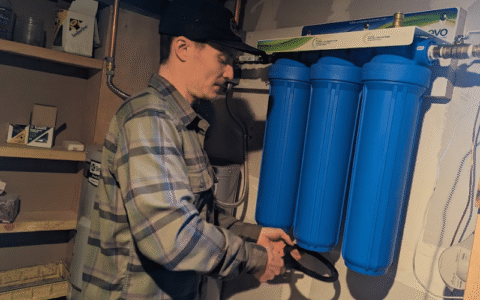
Activated carbon filters, for instance, are commonly used to improve taste and reduce certain substances, including chlorine, when the product is designed and certified for that purpose. Reverse osmosis systems use a membrane to reduce many dissolved substances. Sediment filters help capture particles such as sand, rust, and other suspended material. These technologies aren’t interchangeable, and some households may benefit from combining more than one treatment stage.
Think about how your family uses water each day. If the main concern is unpleasant taste, a suitable carbon filter may be sufficient. If testing identifies particular dissolved contaminants, a more specialized treatment method might be necessary. A whole-house system may make sense for certain water problems, but it isn’t automatically the best choice for improving the water you drink.
It’s also worth considering practical details. How much filtered water does your household use? Is there enough space beneath the kitchen sink? Will the system require a separate faucet, a storage tank, or access to a drain? These questions may seem minor while shopping, but they become important once installation begins.
Why Water Testing Is Worth the Effort
Water testing provides a more dependable basis for choosing treatment equipment than appearance or taste alone. Clear water isn’t proof that every relevant parameter is within an acceptable range, and unusual taste doesn’t necessarily mean the water is unsafe.
A suitable water analysis can help identify issues that a filtration system may need to address. The right testing method depends on the water source and the concerns involved. Common tests may examine hardness, pH, dissolved minerals, bacteria, or particular contaminants. Not every household needs every test, so the selection should reflect local conditions and the water source.
For people using private wells, regular testing is especially important because groundwater conditions can change following heavy rainfall, flooding, nearby construction, or other environmental events. Testing for bacteria and locally relevant contaminants can help identify problems that would otherwise go unnoticed.
Home test kits can be useful for preliminary checks, but their capabilities vary. They may not measure every substance accurately or provide the detail needed to make a treatment decision. When the concern involves health-related contaminants, a qualified laboratory and appropriate sampling procedures are often the better route.
Once you have the results, compare them with relevant drinking water standards and discuss any concerns with a qualified water treatment professional. The goal isn’t to treat everything imaginable. It’s to address the issues that matter for your particular supply.
Installation Matters More Than Many People Realize
A well-chosen filtration system still needs to be installed correctly. Connections must be secure, components must be compatible, and the system needs to operate within the manufacturer’s specifications. A small mistake can lead to leaks, poor water flow, or filtration performance that falls short of expectations.
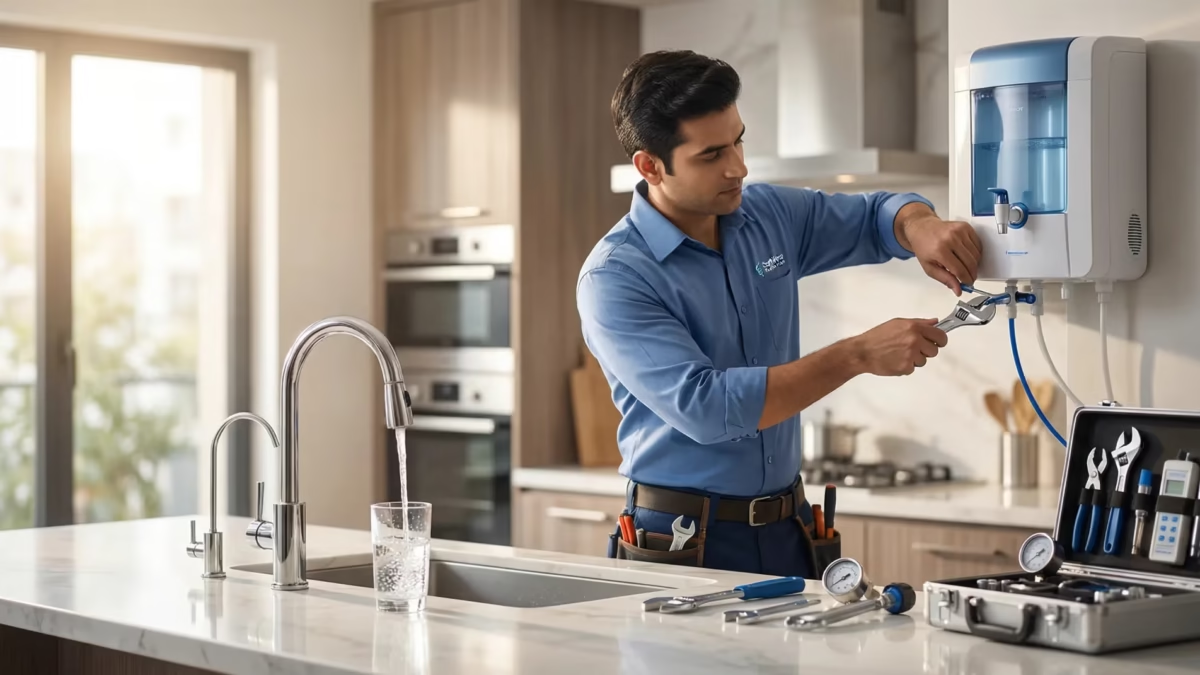
Depending on the product, professional installation can help ensure the equipment is connected properly and that important details aren’t overlooked. This can be particularly useful for reverse osmosis units, whole-house treatment systems, or equipment involving plumbing modifications. An experienced installer can assess available space, water pressure, drainage requirements, and access for future maintenance.
That doesn’t mean every simple filter requires a technician. Some countertop units and straightforward faucet-mounted products are designed for homeowners to install themselves. The sensible choice depends on the equipment, your comfort with basic plumbing, and the consequences of getting the installation wrong.
After installation, check that the system is operating as intended. Many products require flushing before the first use, and some need a brief period before the water is ready for drinking. Follow the manufacturer’s instructions rather than relying on assumptions or advice intended for a different model.
Keeping the System Working Over Time
Water filters are not permanent solutions. Their effectiveness depends on the technology, the quality of the incoming water, the amount of water used, and whether replacement schedules are followed.
A filter that has reached the end of its service life may provide reduced flow or less effective treatment. In some systems, overdue maintenance can also affect taste and odor. Keeping track of replacement dates is a simple habit that helps prevent avoidable problems.
Check the manufacturer’s guidance for cartridge changes, membrane replacement, sanitization, and other routine tasks. Some systems use indicator lights or digital reminders, while others rely on a service schedule. Either way, knowing when maintenance is due makes it easier to plan ahead.
Replacement costs deserve attention before you buy, too. A system with a low initial price may require expensive cartridges, while another model could offer more affordable long-term upkeep. Check whether compatible replacements are readily available and whether the manufacturer provides clear instructions.
It’s also wise to inspect visible connections from time to time. Look for moisture, damaged tubing, unusual noises, or sudden changes in water flow. If something seems wrong, stop using the system when appropriate and follow the manufacturer’s troubleshooting guidance.
Making a Confident Decision for Your Home
Good water treatment starts with a clear understanding of what your household needs. Rather than choosing equipment based on impressive packaging or broad promises, focus on verified performance, relevant certifications, realistic maintenance requirements, and the actual quality of your water.
Ask suppliers which contaminants their products are designed to reduce and look for independent certification where applicable. Remember that certification for one contaminant doesn’t mean a system removes every possible impurity. The details matter.
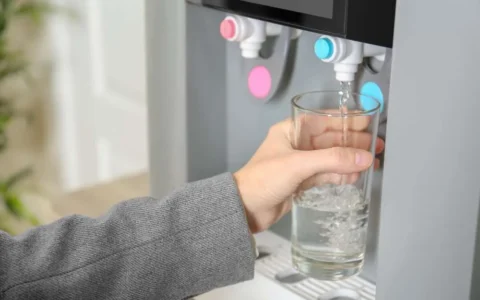
Ultimately, better water should make life simpler. It should give you confidence when filling a glass, preparing a meal, or offering water to a guest. With appropriate testing, a filtration system matched to your needs, correct installation, and regular maintenance, you can make a practical improvement that serves your household for years.
There’s no single solution for every home, and that’s perfectly fine. The best choice is the one that addresses your real concerns without adding unnecessary expense or complexity.