
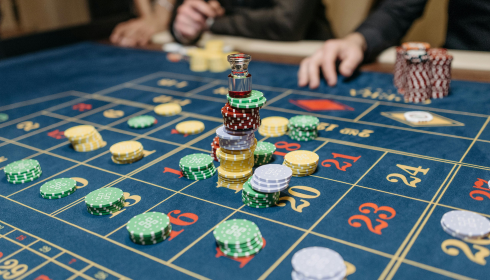
Indian Matka is a popular form of lottery and gambling that originated in India decades ago. Over the years, it has evolved from a simple number-based game to a complex system that combines luck, strategy, and analysis. Despite legal and social controversies, the game continues to attract a massive following, both offline and online. One of the key elements of this game is the final ank, which plays a crucial role in determining winners and forming betting strategies.
A Brief History of Indian Matka
indian matka, also known as Satta Matka, traces its roots back to the 1960s. Initially, it involved placing bets on the opening and closing rates of cotton sent to the Bombay Cotton Exchange from the New York Cotton Exchange. Eventually, this system transitioned to betting on randomly drawn numbers. Over time, people began using playing cards and other methods to draw numbers, which made the game more accessible.
The name “Matka” refers to an earthen pot from which the numbers were originally drawn. As technology progressed, the traditional method was replaced with digital number generation, but the name and spirit of the game remain unchanged.
How the Game Works
Indian Matka is a simple yet strategic game. Participants place bets on a set of three numbers (known as a Patti) ranging from 0 to 9. These numbers are added together, and the last digit of the sum becomes the “ank.” The process is repeated twice – once for the opening and once for the closing draw. This generates two sets of numbers and two ank digits.
For example:
- If the opening numbers are 2, 4, and 7, their sum is 13. The final ank is 3.
- If the closing numbers are 5, 6, and 2, their sum is 13. The final ank again is 3.
So, the result would be 2 4 7 3 X X X 3.
Importance of Final Ank
The final ank is a significant component of the Matka result. It is the single-digit number that can make or break a player’s fortune. Many seasoned players focus their entire betting strategy around predicting the final ank.
This is because the probability of guessing a single digit (0-9) correctly is higher than predicting a full Patti. As a result, many players rely on various methods like:
- Historical result patterns
- Numerology
- Mathematical calculations
- Intuition or gut feeling
Some players even use tips from experts or so-called “guessing forums” to place educated bets. The popularity of final ank betting lies in its simplicity and the lower risk involved compared to full digit combinations.
The Role of Online Platforms
With the rise of digital technology, Indian Matka has found a new life online. Several websites and mobile apps now offer real-time results, historical charts, and daily tips for Matka lovers. These platforms make it easier for users to track outcomes, analyze trends, and place smarter bets.
Players can check:
- Opening and closing results
- Final ank predictions
- Jodi charts
- Panel charts
This has added a layer of transparency and speed to the game, enhancing the user experience and increasing accessibility.
Responsible Play and Legal Aspects
It is important to note that gambling, including Indian Matka, is considered illegal in many Indian states. While some states allow lottery systems, the Matka format is often outlawed due to its unregulated nature. Participants should always be aware of the legal status of the game in their region before engaging.
Additionally, responsible play is essential. It is easy to get carried away, especially when stakes are high and wins are quick. Setting limits, avoiding emotional decisions, and treating the game as entertainment rather than income are key to maintaining a healthy approach.
Conclusion
Indian Matka is more than just a numbers game—it’s a cultural phenomenon that blends chance with strategy. The final ank serves as a critical touchpoint in the gameplay, offering players a straightforward and thrilling way to test their predictions. As digital platforms continue to innovate, the game’s reach expands, but it’s vital to approach it with caution, respect for local laws, and a responsible mindset.