Blog

  • Worry no More about Frequent Cramps in Your Buttock

    Worry no More about Frequent Cramps in Your Buttock

    If your physical activities are affected by frequent cramps or spasm in your buttocks, it’s time to get relief. You might be having piriformis syndrome, a medical condition that can be treated through comprehensive care. Board-certified pain management specialists at Performance Pain & Sports Medicine have helped many Newton piriformis syndrome patients, proving effective in treating the condition.

    Why You Might be Experiencing Piriformis Syndrome

    The specific causes of piriformis syndrome are not well understood. However, injuries, bleeding, or inflammation around the piriformis muscle can cause muscle spasm. This can also result in persistent pain in the buttocks. The spasms can also irritate the sciatic nerve causing numbness, tingling, and pain in your hips, legs, and feet.

    Other factors that can cause piriformis syndrome include:

    ·   Excessive exercise

    ·   Sitting for extended periods

    ·   Extensive stair climbing

    ·   Lifting heavy objects

    ·   Running and other repetitive activities that involves your legs

    Symptoms of Piriformis Syndrome

    If you experience a persistent tenderness in your buttocks, it can be an early warning sign of piriformis syndrome. However, other common symptoms include:

    ·   Difficulty sitting down comfortably

    ·   Pain in the buttock and legs that worsens with activities

    ·   Numbness and tingling in the buttocks and can extend down the leg

    ·   Reduced range of movement in your hips

    How to Diagnose and Treat Piriformis Syndrome

    While there is no definitive test for this condition, a symptom report is used to determine when a physical exam is necessary.  Radiologic tests may be used in cases where symptoms are similar to other situations.

    Depending on the symptoms and cause of piriformis syndrome, your provider at Performance Pain & Sports Medicine designs a treatment plan to relieve pain and the frequent muscle spasms. You can experience relief by lying flat on your back, but the following options can be included in the treatment plan if the problem persists.

    Anti-inflammatory Injections

    This involves the use of a local anesthetic or injections of an anti-inflammatory. It can be a viable option if physical therapy can’t work on stretching your muscles due to pain.

    Botox injections can also temporarily paralyze muscles that are overactive to reduce the severity and frequency of muscle spasm.

    Acupuncture and Chiropractic Treatment

    These procedures can be recommended to improve blood circulation and keep your muscles relaxed.

    Muscle Relaxer

    Your provider may also recommend muscle relaxers to loosen muscles in the Piriformis and your lower back and legs.

    Radiofrequency Ablation

    In case your pain persists despite several treatment options, the team at Performance Pain & Sports Medicine offers radiofrequency ablation, which is a noninvasive procedure. It is a procedure that involves delivering high-frequency energy into the surrounding nerves through a thin needle to destroy part of the nerve tissue. It interferes with the transmission of pain signals to the brain.

    How You Can Avoid Piriformis Syndrome

    Since repeated movements and sports mainly cause this condition, prevention can easily be  controlled by your activities. You can warm up properly before a repetitive workout, use good postures, or pause for rest to subside the pain when it occurs.

    It is time to worry less over frequent cramps in your buttocks. If you have any signs of piriformis syndrome, let the professionals be concerned over your condition for you. You can schedule a diagnostic evaluation at Performance Pain & Sports Medicine and receive comprehensive care for your situation. 

  • Discover the Premium Services of Hyderabad Escort and Call Girls in Hyderabad

    Discover the Premium Services of Hyderabad Escort and Call Girls in Hyderabad

    Hyderabad, the bustling capital of Telangana, is known for its rich history, iconic monuments, and vibrant nightlife. Among its many attractions, some individuals seek companionship to enhance their personal experiences. In this context, services provided by Hyderabad Escort agencies have garnered attention for their professionalism and discretion.

    Why Choose Hyderabad Escort Services?

    Escort services in Hyderabad cater to individuals looking for memorable moments with elegant, well-mannered companions. Whether you are a local or a traveler, these services provide an opportunity to connect with like-minded individuals. The escorts are carefully selected for their charm, education, and ability to adapt to various social situations.

    Many customers appreciate the personalized approach of these agencies. They aim to provide an experience that goes beyond mere companionship, ensuring every client feels respected and valued. From dinner dates to private gatherings, these escorts can transform ordinary moments into cherished memories.

    The Allure of Call Girls in Hyderabad

    The city offers a wide range of options for those seeking companionship. Call girls in Hyderabad stand out for their charisma, sophistication, and ability to meet diverse preferences. These individuals often have a friendly demeanor and are skilled at creating a comfortable and enjoyable environment.

    The services provided by call girls include more than just physical companionship. They often engage clients in meaningful conversations, accompany them to events, and provide emotional support when needed. For many, this combination of physical and emotional connection is what makes the experience so unique.

    What Makes Hyderabad a Perfect Destination for Such Services?

    Hyderabad’s cosmopolitan nature and dynamic lifestyle make it an ideal location for escort services. The city is home to luxury hotels, fine-dining restaurants, and vibrant nightlife spots, offering the perfect setting for engaging and memorable encounters.

    Escort agencies in Hyderabad ensure that their clients’ privacy is a top priority. Strict confidentiality measures are maintained to provide a secure environment for all parties involved. This discretion has helped these services earn the trust of their clientele.

    How to Choose the Right Service?

    Selecting the right agency or independent provider is crucial to ensure a positive experience. Here are some tips to help you make an informed decision:

    1. Research: Look for agencies or profiles with positive reviews and a good reputation. Online platforms and forums can provide valuable insights.
    2. Verify Details: Always verify the credentials of the service provider to avoid any unpleasant surprises.
    3. Communicate Clearly: Be upfront about your preferences and expectations to ensure compatibility.
    4. Respect Boundaries: Mutual respect is the foundation of any successful interaction. Adhering to agreed terms enhances the experience for both parties.

    A Word on Legal and Ethical Considerations

    It’s essential to understand the legal implications of such services in Hyderabad. Escort services typically operate within legal boundaries, offering companionship and social interactions without any illegal activities. Respect for laws and ethical practices ensures a safe and enjoyable experience for everyone involved.

    Conclusion

    Hyderabad’s escort services provide a professional and reliable way to find companionship tailored to individual needs. Whether you’re looking for an engaging conversation, a companion for an event, or simply a pleasant evening, these services cater to a wide range of preferences. The city’s vibrant atmosphere further enhances the overall experience, making Hyderabad an exceptional destination for such interactions.

    Remember, the key to a fulfilling experience lies in choosing a reputable service and approaching the arrangement with mutual respect and understanding.

  • Outdoor Adventures: Exploring Nature and Finding Thrills

    Outdoor Adventures: Exploring Nature and Finding Thrills

    Outdoor adventures offer a thrilling escape from the hustle and bustle of everyday life. Whether it’s hiking through pristine forests, embarking on a whitewater rafting trip, or camping under a star-studded sky, the great outdoors beckon with opportunities for exploration, rejuvenation, and exhilaration. In this article, we’ll delve into the significance of outdoor adventures and how they can enrich your life.

    The Importance of Outdoor Adventures

    Engaging in outdoor adventures goes beyond a simple pastime; it holds substantial importance for various reasons:

    Nature Connection: Outdoor adventures allow you to connect with and appreciate the natural world. They offer an opportunity to escape urban life and immerse yourself in the beauty of the wilderness.

    Physical Activity: Most outdoor adventures involve physical activity, promoting a healthy and active lifestyle. Hiking, biking, kayaking, and other activities offer an excellent workout.

    Stress Relief: Nature has a soothing and therapeutic effect on the mind. Being outdoors can reduce stress, anxiety, and promote mental well-being.

    Challenge and Growth: Outdoor adventures often present physical and mental challenges. Overcoming these challenges fosters personal growth, self-confidence, and resilience.

    Social Bonding: Participating in outdoor adventures with friends or family can strengthen social bonds and create lasting memories.

    Environmental Awareness: Being in nature can enhance your awareness of environmental issues, inspiring a greater sense of responsibility and sustainability.

    Thrills and Excitement: Outdoor adventures provide a rush of adrenaline and excitement, making them an excellent way to break the routine and find thrills.

    Types of Outdoor Adventures

    Outdoor adventures encompass a diverse range of activities, catering to various interests and skill levels. Here are some popular outdoor adventure categories:

    Hiking and Trekking: Explore natural trails, mountains, and forests on foot, allowing you to experience the beauty of nature up close.

    Camping: Connect with nature by camping under the open sky, whether it’s in a tent, camper, or under the stars.

    Kayaking and Canoeing: Paddle through rivers, lakes, and oceans, witnessing breathtaking landscapes and wildlife.

    Mountain Biking: Traverse challenging terrains and scenic trails on a mountain bike, combining physical activity with exploration.

    Rock Climbing: Test your physical and mental strength by scaling rocks and cliffs, enjoying panoramic views as a reward.

    Whitewater Rafting: Navigate turbulent waters, riding the rapids and experiencing the thrill of river rafting.

    Skiing and Snowboarding: In snowy landscapes, hit the slopes on skis or snowboards, feeling the rush of downhill descents.

    Wildlife Safaris: Embark on wildlife safaris, observing and photographing animals in their natural habitats.

    Adventure for Self-Discovery

    Outdoor adventures can be deeply transformative, offering opportunities for self-discovery and personal growth:

    Facing Challenges: Outdoor adventures often present physical and mental challenges, from scaling a peak to navigating unfamiliar terrain. Conquering these challenges boosts self-confidence and determination.

    Connecting with Nature: Immersing yourself in nature allows you to disconnect from the distractions of modern life and appreciate the simplicity and beauty of the natural world.

    Mindfulness and Presence: In the great outdoors, you can practice mindfulness and be fully present in the moment, which can reduce stress and enhance mental well-being.

    Creativity and Inspiration: Nature can be a wellspring of creativity and inspiration. Many artists, writers, and thinkers have drawn inspiration from their outdoor experiences.

    Overcoming Fears: Outdoor adventures provide an opportunity to confront and conquer fears, whether it’s fear of heights, water, or the unknown.

    Reconnecting with Yourself: Time spent in nature can be a form of introspection and reconnection with oneself. It allows for self-reflection and clarity.

    Balancing the Thrill with Safety

    While outdoor adventures offer thrills and excitement, safety should always be a priority. Here are some safety considerations for outdoor adventures:

    Planning: Research and plan your adventure thoroughly. Be aware of weather conditions, difficulty levels, and the terrain you’ll encounter.

    Skills and Training: Ensure that you have the necessary skills and training for the specific adventure. If not, consider taking lessons or going with a guided group.

    Proper Gear: Invest in high-quality gear and equipment, and make sure it is well-maintained.

    Inform Others: Let someone know your plans and expected return time, especially if you’re venturing into remote areas.

    Emergency Preparedness: Carry essential safety and first-aid equipment. Familiarize yourself with basic first-aid techniques.

    Respect Nature: Follow the principles of Leave No Trace and respect the environment. Minimize your impact on the natural world.

    Sharing the Adventure with Others

    While solo adventures can be deeply rewarding, sharing outdoor experiences with others adds a social dimension to the thrill. Here’s how:

    Strengthened Bonds: Outdoor adventures with friends or family can create lasting memories and strengthen social bonds.

    Shared Achievements: Accomplishing a challenging adventure together fosters a sense of camaraderie and shared achievements.

    Safety and Support: Having companions provides safety, support, and assistance in case of unforeseen situations.

    Inspiration and Motivation: Sharing the adventure can inspire and motivate each other to explore more and take on new challenges.

    The Lifelong Adventure

    Outdoor adventures are not confined to a specific age or stage in life. They can be a lifelong pursuit, evolving as your interests and abilities change. Whether you’re seeking solace in nature, a physical challenge, or an adrenaline rush, the great outdoors offers endless opportunities for exploration and self-discovery.

    In Conclusion

    Outdoor adventures are an essential component of a well-rounded and fulfilling life. They offer an escape from the everyday, promote physical and mental well-being, and provide opportunities for self-discovery and personal growth. By embracing the great outdoors, you can find thrills, rejuvenation, and an enduring connection with nature.

  • Crafting and DIY: Creative Hobbies for Self-Expression

    Crafting and DIY: Creative Hobbies for Self-Expression

    Crafting and do-it-yourself (DIY) projects are more than just pastimes; they are powerful outlets for self-expression and creativity. Engaging in crafting and DIY activities can bring joy, relaxation, and a sense of accomplishment. In this article, we’ll explore the significance of crafting and DIY as hobbies and provide insights into how they allow you to express your uniqueness.

    The Importance of Crafting and DIY

    Crafting and DIY activities hold significant importance for a variety of reasons:

    Self-Expression: Crafting allows you to express your personality, style, and creativity through the projects you create.

    Stress Relief: Engaging in creative activities can be highly therapeutic and reduce stress and anxiety. The act of crafting is often meditative and calming.

    Sense of Accomplishment: Completing a DIY project or crafting something with your own hands provides a sense of accomplishment and pride.

    Skill Development: Crafting and DIY projects encourage skill development and problem-solving. They can broaden your skillset and knowledge.

    Personalized Gifts: Handmade crafts and DIY gifts are heartfelt and unique, making them special to both the creator and the recipient.

    Economic Benefits: Crafting can be a cost-effective way to create personalized decor, clothing, and gifts, saving money in the long run.

    Sustainability: DIY projects often involve repurposing and upcycling, which contributes to a more sustainable and eco-friendly lifestyle.

    Community and Social Engagement: Crafting can foster a sense of community through crafting groups, workshops, and online forums where like-minded individuals share their creations and ideas.

    Types of Crafting and DIY Activities

    Crafting and DIY encompass a wide range of activities, catering to various interests and skill levels. Here are some popular crafting and DIY categories:

    Sewing and Textile Arts: Create clothing, home decor, and accessories through sewing, embroidery, knitting, crocheting, and quilting.

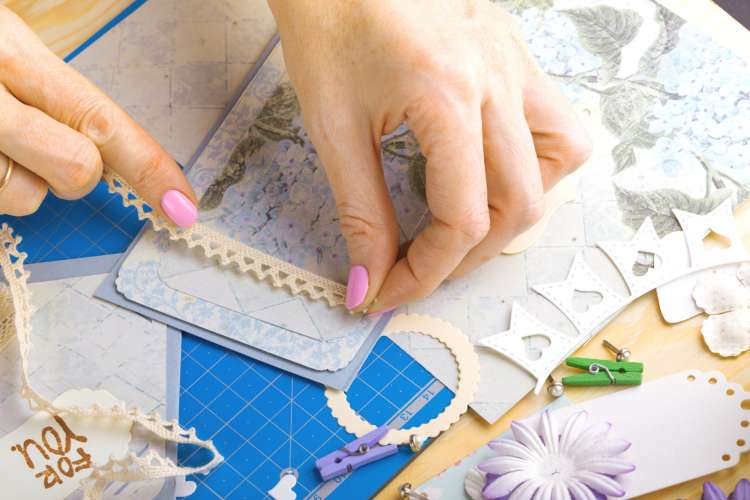
    Paper Crafts: Explore paper crafting with techniques like cardmaking, scrapbooking, origami, and paper mache.

    Woodworking: Craft furniture, home decor, and wooden items using woodworking tools and techniques.

    Jewelry Making: Design and create unique jewelry pieces using beads, wire, metals, and gemstones.

    Painting and Drawing: Express your artistic side through painting, drawing, watercolor, and other visual arts.

    Home Decor DIY: Upgrade your living space with DIY projects such as furniture refinishing, wall art, and room makeovers.

    DIY Gifts: Craft personalized gifts like candles, bath products, and custom photo albums.

    Upcycling and Repurposing: Give new life to old items by upcycling and repurposing materials to create something entirely different.

    Crafting for Self-Expression

    Crafting is a versatile and dynamic way to express yourself. Here’s how it allows for self-expression:

    Choice of Materials: Crafting offers a wide range of materials and mediums to work with, from fabric and paper to wood and metals. You can choose materials that resonate with you and your project.

    Design Choices: Crafting empowers you to make design choices that align with your personal style. You can select colors, patterns, and motifs that express your preferences and personality.

    Storytelling: Many crafts allow you to tell a story or convey a message through your creations. For example, a quilt can tell a story about your family, or a piece of jewelry can symbolize a significant moment in your life.

    Customization: One of the significant advantages of DIY is the ability to customize your projects. You can make items that fit you perfectly, both physically and aesthetically.

    Creative Problem-Solving: Crafting often involves creative problem-solving, as you figure out how to bring your vision to life. This aspect allows for unique solutions and innovations.

    Mood and Emotion: Your mood and emotions can influence your crafting. Whether you’re creating art to express joy, processing grief, or simply enjoying the act of making, your emotions can be reflected in your work.

    Crafting for Relaxation and Stress Relief

    Engaging in crafting and DIY activities can provide relaxation and stress relief. Here’s how it promotes a sense of calm:

    Mindfulness: Crafting encourages mindfulness, as it requires your full attention and focus on the task at hand. This can help reduce anxiety and stress.

    Flow State: Many crafters experience a flow state, where they become fully immersed in their project, losing track of time and worries.

    Endorphin Release: Creating something with your hands can trigger the release of endorphins, the body’s natural feel-good chemicals.

    Reduced Stress Hormones: Crafting has been shown to lower the production of stress hormones, promoting relaxation.

    Meditation in Motion: Some crafts, like knitting or crocheting, are akin to a moving meditation, calming the mind and body.

    Sharing Your Creations and Building Community

    Crafting and DIY activities can provide a sense of connection and community. Here’s how:

    Crafting Groups: Joining or forming crafting groups can connect you with like-minded individuals who share your interests. It provides an opportunity to learn from others and showcase your creations.

    Workshops and Classes: Participating in workshops and classes allows you to learn new skills, make friends, and bond over shared creative endeavors.

    Online Communities: The internet is a hub for crafting communities. Platforms like Pinterest, Instagram, and craft-focused forums enable you to connect with crafters worldwide, share your work, and gain inspiration.

    Craft Shows and Markets: Participating in craft shows and markets gives you a chance to display and sell your creations, while also engaging with customers and fellow artisans.

    Crafting as a Lifelong Journey

    Crafting and DIY projects are more than hobbies; they are lifelong journeys of self-expression and creativity. The more you create, the more you discover about yourself and your potential. Whether you’re creating functional items, artistic pieces, or simply enjoying the process of making, crafting can be a deeply fulfilling and expressive endeavor.

    In Conclusion

    Crafting and DIY activities offer a wide range of benefits, from self-expression and relaxation to stress relief and community building. They provide a unique and satisfying way to channel your creativity and make your mark on the world. Embrace crafting as a lifelong journey, and let your imagination and ingenuity flourish through your creative endeavors.

  • Mindfulness Meditation: A Path to Inner Peace

    Mindfulness Meditation: A Path to Inner Peace

    In the hustle and bustle of today’s fast-paced world, finding inner peace and mental clarity can be a challenge. Mindfulness meditation is a powerful practice that offers a path to serenity, balance, and improved well-being. In this article, we’ll explore the concept of mindfulness meditation and provide practical guidance on how to incorporate this practice into your daily life.

    Understanding Mindfulness Meditation

    Mindfulness meditation is a form of meditation that focuses on cultivating a heightened awareness of the present moment. It encourages you to be fully present in the here and now, without judgment or attachment to the past or future. This practice has its roots in Buddhism but has gained widespread popularity for its potential to reduce stress, improve mental health, and promote overall well-being.

    The core principles of mindfulness meditation include:

    Present-Moment Awareness: Being fully engaged in whatever you are doing at the moment, whether it’s eating, walking, or simply breathing.

    Non-Judgment: Observing your thoughts and emotions without judgment or criticism. It’s about accepting your experiences as they are, without labeling them as good or bad.

    Observation: Paying close attention to your thoughts, bodily sensations, and the world around you with an attitude of curiosity and openness.

    Breath Awareness: Often, mindfulness meditation involves focusing on your breath as an anchor to the present moment. This helps calm the mind and brings your attention to the “now.”

    The Benefits of Mindfulness Meditation

    Mindfulness meditation offers a wide range of benefits for your mental, emotional, and physical well-being:

    Stress Reduction: Mindfulness meditation is known to reduce stress and anxiety. It promotes a sense of calm and relaxation by decreasing the production of stress hormones.

    Improved Mental Health: Regular practice can help manage symptoms of depression and anxiety. It enhances emotional regulation and resilience.

    Enhanced Focus and Concentration: Mindfulness meditation improves attention and concentration. This is particularly helpful in a world filled with distractions.

    Increased Self-Awareness: Through mindfulness, you gain a deeper understanding of your thoughts, emotions, and behavior patterns. This self-awareness can lead to personal growth and positive change.

    Better Emotional Regulation: The practice can help you respond to emotions in a more balanced and constructive manner, reducing impulsivity and reactivity.

    Improved Relationships: Mindfulness meditation fosters better communication and empathy, enhancing your relationships with others.

    Pain Management: Some studies suggest that mindfulness can help with pain management by changing the perception of pain and reducing its impact on daily life.

    Better Sleep: Mindfulness meditation can improve sleep quality by calming the mind and reducing insomnia.

    Incorporating Mindfulness Meditation into Your Life

    Now, let’s explore how you can incorporate mindfulness meditation into your daily life:

    Start Small: Begin with short sessions of 5-10 minutes and gradually increase the duration as you become more comfortable with the practice.

    Choose a Quiet Space: Find a quiet and comfortable space where you won’t be easily distracted. It could be a corner of your room or a peaceful outdoor spot.

    Posture: Sit or lie down in a comfortable position. You can use a cushion, chair, or mat for added comfort.

    Focus on Your Breath: Close your eyes and start by paying attention to your breath. Breathe naturally and observe the sensation of each breath in and out.

    Mindful Body Scan: After a few breaths, perform a body scan. Start from your toes and work your way up, paying attention to any tension or discomfort. Gradually release any tension as you breathe.

    Thought Observation: Acknowledge any thoughts that arise without judgment. Imagine them as passing clouds. Gently guide your focus back to your breath.

    Guided Meditation: You can use guided mindfulness meditation apps or recordings to help you get started. They provide instructions and themes for your meditation.

    Practice Mindful Eating: Apply mindfulness to everyday activities, such as eating. Savor each bite, paying attention to the taste, texture, and aroma of your food.

    Mindful Walking: Take mindful walks in nature or around your neighborhood. Pay attention to each step and the sensory experiences of your surroundings.

    Set Reminders: Use reminders on your phone or sticky notes to prompt you to take mindful breaks throughout the day.

    Regular Schedule: Establish a regular meditation schedule. Consistency is key to experiencing the full benefits of mindfulness.

    Overcoming Challenges

    While mindfulness meditation can be transformative, it’s not always easy, especially in the beginning. Here are some common challenges and tips for overcoming them:

    Restlessness: If your mind feels restless, focus on your breath or bodily sensations to anchor your attention.

    Impatience: Impatience is natural, but remember that mindfulness is a process. Be patient with yourself and your progress.

    Overthinking: If you find your mind racing with thoughts, gently bring your attention back to your breath. Acknowledge the thoughts and let them go.

    Inconsistency: If you struggle with consistency, set a specific time each day for your practice, and gradually build the habit.

    Perfectionism: Don’t strive for a “perfect” meditation session. There is no right or wrong way to do it. Your practice is personal and unique to you.

    Seek Guidance: If you find mindfulness challenging, consider seeking guidance from a mindfulness coach or therapist.

    The Ongoing Journey

    Mindfulness meditation is not a destination; it’s a journey. It’s a lifelong practice that can continually deepen and evolve. As you develop your mindfulness skills, you’ll likely notice positive changes in your life, from reduced stress and anxiety to improved relationships and overall well-being.

    In Conclusion

    Mindfulness meditation is a powerful tool for achieving inner peace, reducing stress, and enhancing your well-being. By incorporating mindfulness into your daily life, you can experience the transformative benefits of being fully present in the moment. Remember that mindfulness is a practice, and with time and commitment, it can lead to a more peaceful and balanced life.

  • Home Decor and Interior Design: Creating Your Dream Space

    Home Decor and Interior Design: Creating Your Dream Space

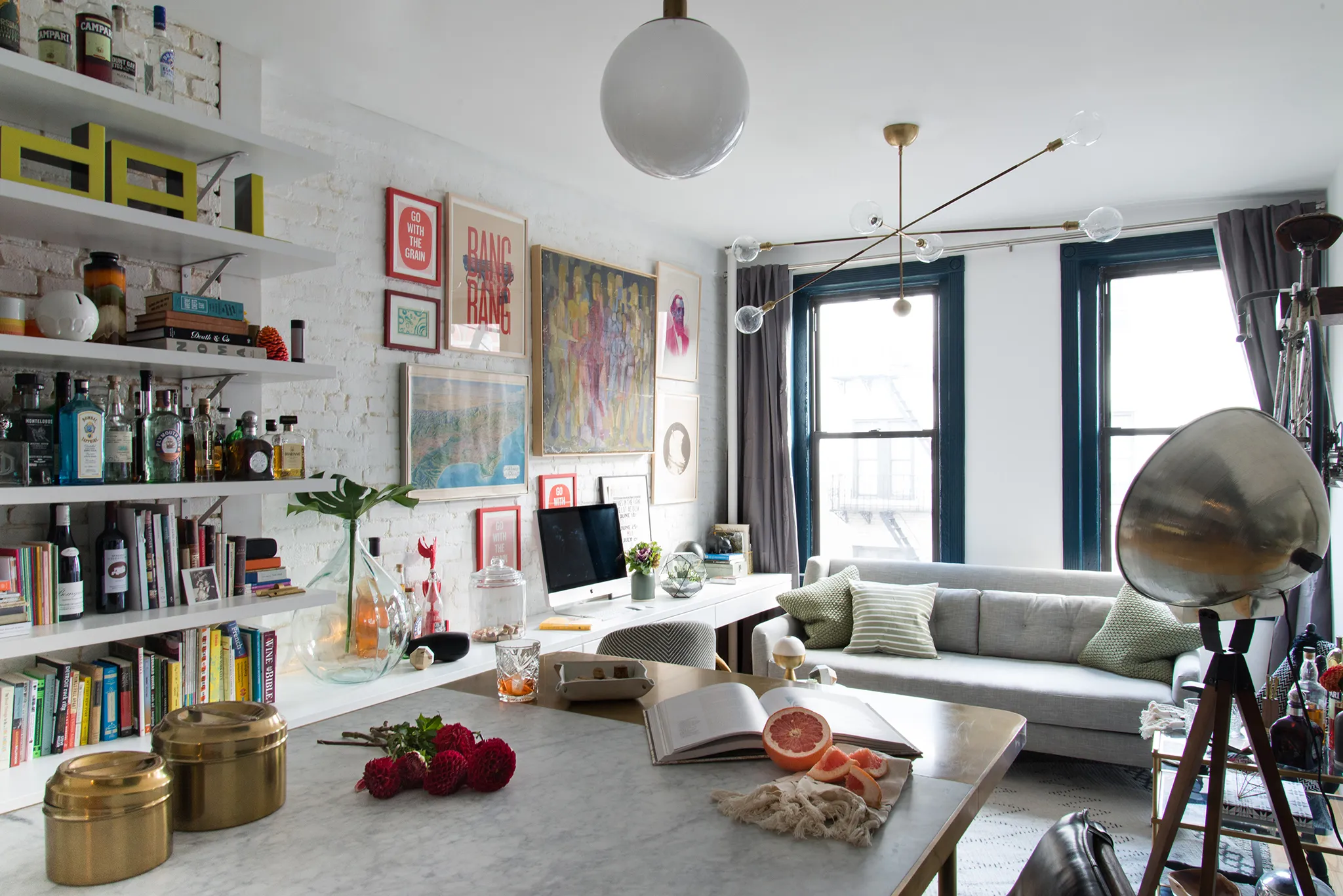
    Your home is more than just a place to live; it’s a reflection of your personality, style, and comfort. Home decor and interior design play a significant role in creating a space that feels uniquely yours. In this article, we’ll explore the importance of home decor and interior design and provide practical tips on how to transform your living space into your dream home.

    The Significance of Home Decor and Interior Design

    Home decor and interior design go beyond aesthetics. They are crucial for several reasons:

    Personal Expression: Your home is a canvas for expressing your personality, interests, and style. It reflects who you are.

    Comfort and Functionality: Well-designed spaces prioritize comfort and functionality. Your home should meet your practical needs and make daily life more comfortable.

    Mood and Atmosphere: The design and decor of your home influence the mood and atmosphere. A well-designed space can evoke different emotions, from relaxation to productivity.

    Efficiency: Interior design optimizes the use of space, making your home more efficient. It helps you make the most of available square footage.

    Resale Value: Thoughtful interior design can enhance the resale value of your home. Well-designed spaces are more appealing to potential buyers.

    Aesthetics: Good design enhances the aesthetics of your home. It makes the space visually pleasing and harmonious.

    Practical Tips for Home Decor and Interior Design

    Whether you’re starting from scratch or looking to refresh your existing space, these practical tips will help you create a home that reflects your style and suits your needs:

    Define Your Style: Start by identifying your personal style. Do you prefer a minimalist, classic, modern, rustic, or eclectic look? Knowing your style will guide your decor choices.

    Set a Budget: Determine a budget for your project. This will help you make informed choices and avoid overspending.

    Plan Your Layout: Consider the layout of your space. Arrange furniture and decor to optimize traffic flow and functionality. Keep balance and symmetry in mind.

    Choose a Color Palette: Select a color palette that aligns with your style and creates the desired atmosphere. Use color to express your personality.

    Select Quality Furniture: Invest in quality furniture pieces. These will be the foundation of your design and should stand the test of time.

    Mix Textures and Materials: Experiment with a variety of textures and materials, such as wood, metal, glass, and fabric. This adds depth and interest to your space.

    Personalize with Decor: Add personal touches with decor items like artwork, photographs, and accessories. These items can tell a story and make your home uniquely yours.

    Lighting Matters: Pay attention to lighting. Proper lighting can enhance the atmosphere and functionality of your space. Use a mix of ambient, task, and accent lighting.

    Create Focal Points: Designate focal points in your rooms. These could be a statement piece of furniture, artwork, or a fireplace. Focal points draw attention and anchor the room’s design.

    Incorporate Greenery: Houseplants can breathe life into your space. They improve air quality and add a touch of nature to your decor.

    Optimize Storage: Adequate storage is essential for an organized and clutter-free home. Incorporate storage solutions that blend seamlessly with your decor.

    Window Treatments: Consider window treatments like curtains or blinds. They can add texture, color, and privacy to your space.

    Balance Open and Closed Spaces: Create a balance between open and closed spaces. Open layouts can foster connectivity, while closed spaces offer privacy.

    Functional Furniture: Invest in furniture that serves multiple functions, such as a sofa bed or a coffee table with storage.

    Minimalism: Embrace minimalism to declutter your space and create a clean, serene environment.

    Stay Current: While your home should reflect your style, it’s essential to stay updated with current design trends for inspiration and relevance.

    The Art of Layering

    Layering is a fundamental principle in interior design. It involves adding depth and dimension to your space. Here’s how you can achieve effective layering:

    Textures: Incorporate different textures, like soft cushions, rough wooden furniture, and smooth glass surfaces.

    Colors: Mix and match colors, but maintain a cohesive color palette. Use a variety of shades and tones for depth.

    Patterns: Combine different patterns, such as stripes, florals, and geometrics. Patterns can add visual interest.

    Lighting Layers: Include various types of lighting, from overhead fixtures to lamps and candles. Different lighting sources can create an inviting atmosphere.

    Home Decor Styles

    Here are some popular home decor styles to consider:

    Modern: Modern decor emphasizes clean lines, simplicity, and minimalism. It often features neutral colors and sleek, uncluttered spaces.

    Traditional: Traditional decor is classic and timeless, with a focus on symmetry and elegant details. It incorporates rich woods and warm color palettes.

    Industrial: Industrial decor draws inspiration from urban environments, featuring raw materials like exposed brick, metal, and concrete. It’s often characterized by a mix of vintage and contemporary elements.

    Bohemian: Bohemian decor is eclectic, embracing a relaxed, free-spirited vibe. It often features colorful textiles, patterns, and a mix of cultural influences.

    Scandinavian: Scandinavian decor is known for its simplicity, functionality, and focus on light. It often incorporates neutral colors and natural materials.

    Farmhouse: Farmhouse decor is cozy and rustic, with a focus on reclaimed wood, vintage items, and a warm, inviting atmosphere.

    The Power of Small Changes

    You don’t need a complete home renovation to make a significant impact on your space. Small changes can transform your home decor and interior design:

    Paint: A fresh coat of paint in a new color can completely change the look of a room.

    Rearrange Furniture: A different furniture arrangement can create a new flow and atmosphere.

    Art and Accessories: Updated artwork and accessories can breathe life into your decor.

    Cushions and Throws: New cushions and throws can add color, texture, and comfort to your furniture.

    Organize and Declutter: A well-organized and clutter-free space can make your home feel more spacious and inviting.

    In Conclusion

    Home decor and interior design are powerful tools for creating a space that reflects your personality and provides comfort and functionality. By following practical tips and embracing your unique style, you can transform your living space into your dream home. Remember that home decor is an ongoing process, and you can continually adjust and refine your space to suit your evolving tastes and needs.

  • The Power of Positive Thinking: Shaping Your Life with Optimism

    The Power of Positive Thinking: Shaping Your Life with Optimism

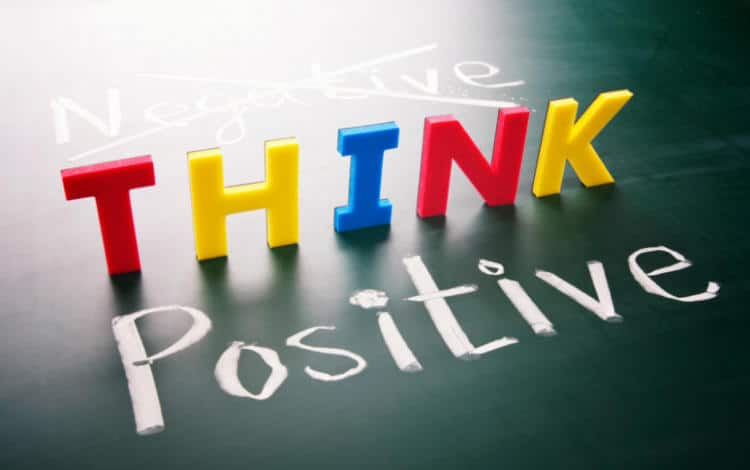
    Positive thinking is more than just a feel-good concept; it’s a powerful mindset that can shape your life and impact your well-being. By adopting a positive outlook, you can overcome challenges, improve your mental and physical health, and achieve your goals. In this article, we will explore the science of positive thinking and provide practical tips for cultivating an optimistic mindset.

    Understanding Positive Thinking

    Positive thinking is the practice of focusing on the bright side of life, expecting positive outcomes, and believing in your abilities to overcome obstacles. It’s not about ignoring or denying challenges; rather, it’s about approaching them with an optimistic attitude and seeking solutions.

    The concept of positive thinking is rooted in psychology and has been the subject of extensive research. Here are some key insights into the power of positive thinking:

    Mind-Body Connection: Positive thinking has been linked to improved physical health. Studies have shown that optimists tend to live longer, have stronger immune systems, and recover from illnesses more quickly.

    Reduced Stress: Optimists are better equipped to handle stress. Positive thinking can lower stress levels, reducing the harmful effects of chronic stress on the body.

    Emotional Well-Being: Positive thinking is associated with higher levels of happiness and life satisfaction. Optimists are more likely to experience positive emotions and cope effectively with negative ones.

    Resilience: Optimists are more resilient in the face of challenges. They are better at problem-solving, adapting to change, and bouncing back from setbacks.

    Improved Relationships: Positive thinkers tend to have healthier and more satisfying relationships. Their optimism can create a positive and supportive social environment.

    Achievement and Success: Positive thinking is linked to goal attainment and success. Optimists are more likely to set and achieve ambitious goals.

    Cultivating Positive Thinking

    Now that we understand the benefits of positive thinking, let’s explore how to cultivate this mindset in your daily life:

    Practice Gratitude: Start and end your day by reflecting on the things you’re grateful for. This simple practice can shift your focus to the positive aspects of your life.

    Challenge Negative Thoughts: When negative thoughts arise, challenge them. Ask yourself if they are based on facts or assumptions. Replace negative thoughts with more realistic and positive ones.

    Surround Yourself with Positivity: Spend time with positive and optimistic people. Their mindset can be contagious and inspire your own positive thinking.

    Visualize Success: Use visualization techniques to imagine achieving your goals. Visualization can boost your confidence and motivation.

    Set Realistic Goals: Set achievable goals that are aligned with your abilities and resources. Achieving small successes can boost your confidence and foster a positive outlook.

    Mindfulness Meditation: Practice mindfulness meditation to stay present and cultivate positive thinking. Meditation can help you become aware of your thought patterns and make positive adjustments.

    Positive Self-Talk: Pay attention to the way you talk to yourself. Replace self-criticism with self-encouragement. Treat yourself with kindness and positivity.

    Laugh and Have Fun: Incorporate humor and fun into your life. Laughter and enjoyment can boost your mood and promote positive thinking.

    Limit Exposure to Negativity: Reduce exposure to negative news, social media, and people who consistently bring negativity into your life. Choose your sources of information and influences wisely.

    Keep a Positive Journal: Maintain a journal where you record positive events, achievements, and compliments. Reviewing your journal can remind you of your accomplishments and positive experiences.

    Practice Self-Care: Prioritize self-care activities that promote well-being, such as exercise, a balanced diet, sufficient sleep, and relaxation.

    Learn from Setbacks: Instead of dwelling on failures or setbacks, view them as opportunities for growth and learning. What did you learn from the experience, and how can you apply that knowledge in the future?

    Help Others: Acts of kindness and helping others can boost your own happiness and positive thinking. Volunteer or engage in acts of kindness to spread positivity.

    Affirmations: Use positive affirmations to reinforce your optimistic mindset. Repeat statements like, “I am capable,” “I am resilient,” and “I can overcome challenges.”

    Surround Yourself with Positivity: Create an environment that fosters positive thinking. Display inspirational quotes, keep reminders of your goals, and decorate your space with uplifting images.

    The Benefits of Positive Thinking

    The benefits of positive thinking extend to various aspects of your life:

    Improved Mental Health: Positive thinking can reduce symptoms of depression and anxiety. It provides a mental shield against negativity.

    Better Physical Health: Optimism has been linked to lower rates of chronic diseases and a longer lifespan. It promotes healthy behaviors and supports the immune system.

    Stronger Resilience: Positive thinkers bounce back more quickly from setbacks. They have the mental strength to persevere in the face of challenges.

    Enhanced Relationships: Positivity can improve your relationships by promoting effective communication, empathy, and mutual support.

    Increased Creativity: A positive mindset can enhance your creativity and problem-solving skills. It enables you to approach challenges with fresh perspectives.

    Success and Achievement: Positive thinking is associated with setting and achieving ambitious goals. It fuels your motivation and determination.

    In Conclusion

    Positive thinking is a powerful mindset that can shape your life and influence your well-being. By adopting an optimistic outlook, you can improve your mental and physical health, build resilience, enhance your relationships, and achieve your goals. Cultivating positive thinking is an ongoing process, but the benefits are well worth the effort. Remember that small changes in your thinking can lead to significant improvements in your quality of life.

  • Fashion and Personal Style: Expressing Yourself through Clothing

    Fashion and Personal Style: Expressing Yourself through Clothing

    Fashion is a powerful form of self-expression. The way we dress and the styles we choose can convey our personality, interests, and even our mood. In this article, we’ll explore the role of fashion in expressing personal style and how you can use clothing to communicate your uniqueness to the world.

    The Significance of Personal Style

    Personal style is about more than just following trends; it’s about making fashion choices that reflect your individuality. Here are some reasons why personal style matters:

    Self-Expression: Personal style is a means of self-expression. It allows you to communicate your identity, values, and personality through the clothing you wear.

    Confidence Booster: Wearing clothing that aligns with your personal style can boost your confidence and make you feel more comfortable in your own skin.

    Authenticity: Personal style is an expression of your authenticity. When you dress in a way that feels true to you, it enhances your sense of self.

    Creativity: Fashion and style provide an outlet for creativity. You can experiment with colors, patterns, and accessories to create unique looks.

    Nonverbal Communication: What you wear sends a message to others. Your style can convey professionalism, rebellion, elegance, or playfulness, depending on your choices.

    Discovering Your Personal Style

    Finding your personal style is an evolving process. It’s about exploring different looks, experimenting with fashion, and ultimately identifying what resonates with you. Here are steps to help you discover your personal style:

    Reflect on Your Interests: Think about your hobbies, interests, and passions. Are you drawn to a particular subculture, era, or lifestyle? Your interests can influence your style choices.

    Gather Inspiration: Collect images and fashion inspiration from magazines, websites, social media, and style icons. Create mood boards or Pinterest boards to visualize your preferences.

    Clean Your Closet: Declutter your wardrobe and remove items that no longer resonate with you. This will help you see what you truly like.

    Experiment: Don’t be afraid to try new styles. Visit thrift stores, boutiques, and fashion websites to experiment with different looks.

    Identify Key Pieces: As you experiment, you’ll likely discover key pieces or elements that you consistently gravitate toward. These can be the building blocks of your style.

    Consider Your Body Shape: Take your body shape into account when choosing clothing that flatters your figure. Understanding what suits your body can be empowering.

    Color Palette: Determine which colors you feel most comfortable and confident wearing. Your color palette can be a crucial aspect of your style.

    Seek Feedback: Ask for feedback from friends and family. Sometimes, those who know you well can provide valuable insights into what suits you best.

    Keep an Open Mind: Personal style can evolve, so be open to changes and new influences. What resonates with you today might differ from what resonates with you in the future.

    Practical Tips for Expressing Personal Style

    Once you’ve identified your personal style, here are practical tips for expressing it through clothing:

    Invest in Wardrobe Staples: Build a foundation of timeless wardrobe staples that align with your style. These might include a well-fitting blazer, classic denim, a white T-shirt, or a little black dress.

    Accessorize: Accessories are a fantastic way to infuse your personality into an outfit. Experiment with jewelry, scarves, hats, and shoes that reflect your style.

    Mix and Match: Get creative with mixing and matching different pieces in your wardrobe. Layering and combining patterns and textures can create unique looks.

    Tailoring: Consider tailoring your clothing to ensure a perfect fit. Well-fitted clothes often look more polished and stylish.

    Consider Versatility: Invest in versatile pieces that can be dressed up or down. This can extend your wardrobe and offer more styling options.

    Textures and Fabrics: Pay attention to textures and fabrics. Silks, leather, denim, and cashmere all convey different styles.

    Statement Pieces: Include statement pieces that speak to your style, whether it’s a bold print, a statement coat, or unique shoes.

    Hair and Makeup: Don’t forget that your personal style extends to hair and makeup choices. Experiment with different hairstyles and makeup looks that resonate with your style.

    Confidence Matters: Confidence is the key to making any style work. If you feel good in what you’re wearing, it will show.

    Respect the Environment: Consider sustainable and ethical fashion choices. Supporting eco-friendly and fair-trade brands aligns with many personal values and styles.

    Embracing Style Evolution

    It’s important to note that personal style is not fixed; it can evolve over time. Your style can change as you grow and your interests shift. Embracing style evolution is a natural part of your fashion journey. Here are a few tips to keep in mind:

    Stay Open-Minded: Be open to new influences and changes in your style preferences.

    Evaluate Your Wardrobe: Regularly evaluate your wardrobe to remove items that no longer fit your evolving style.

    Experiment: Continue to experiment with different looks and fashion choices to keep your style fresh.

    Learn from Others: Seek inspiration from individuals with diverse styles and incorporate elements you admire into your own style.

    Consider the Occasion: Adapt your style to suit different occasions while staying true to your identity.

    Have Fun: Fashion and style should be enjoyable. Have fun with your choices, and don’t take it too seriously.

    In Conclusion

    Fashion and personal style are powerful tools for self-expression. Your clothing choices can convey your personality, interests, and values to the world. Discovering and expressing your personal style is a journey of self-discovery and creativity. Remember that your style is unique to you and can evolve over time, so embrace the process and have fun expressing yourself through fashion.

  • Finding Work-Life Balance: A Guide to Juggling Responsibilities

    Finding Work-Life Balance: A Guide to Juggling Responsibilities

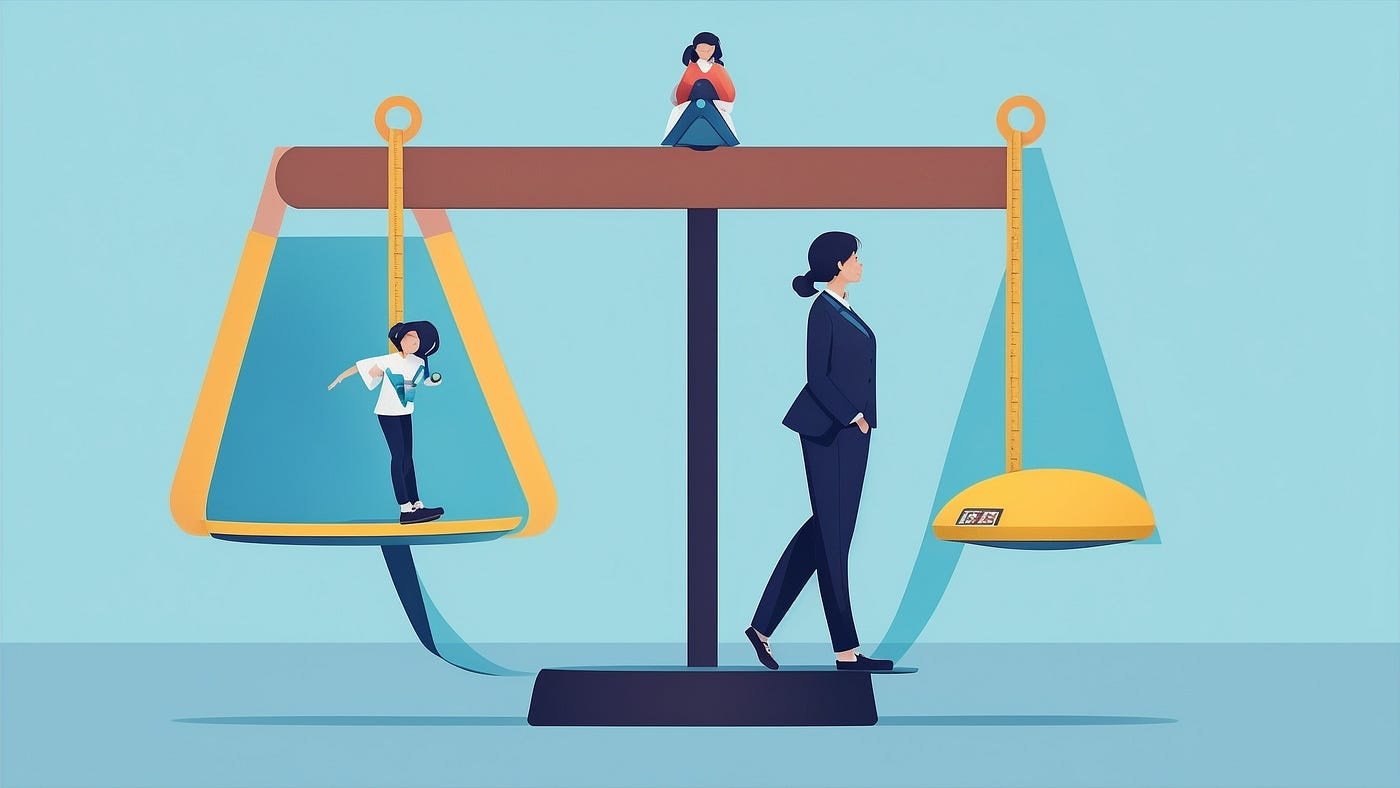
    In today’s fast-paced world, achieving a healthy work-life balance is a challenge that many people face. Balancing the demands of work, family, personal interests, and self-care can be daunting, but it’s essential for overall well-being and happiness. In this article, we’ll explore the concept of work-life balance and provide practical guidance on how to manage your responsibilities while nurturing a fulfilling and balanced life.

    Understanding Work-Life Balance

    Work-life balance refers to the equilibrium between the time and energy you invest in your work and the time you allocate to personal life, including family, friends, hobbies, and self-care. Achieving a harmonious work-life balance is essential for several reasons:

    Mental and Emotional Well-Being: A balanced life reduces stress, anxiety, and burnout. It allows you to focus on your mental and emotional health.

    Physical Health: A balanced life supports better physical health by ensuring that you have time for exercise, proper nutrition, and adequate sleep.

    Improved Relationships: Balancing work and personal life enhances relationships with family and friends, as you have more quality time to connect and bond.

    Increased Job Satisfaction: Achieving work-life balance can lead to greater job satisfaction and increased productivity at work.

    Personal Growth: Balancing responsibilities enables you to pursue personal interests, hobbies, and self-development.

    Practical Strategies for Achieving Work-Life Balance

    Set Clear Boundaries: Establish clear boundaries between work and personal life. Define specific work hours and stick to them, avoiding the temptation to overwork.

    Prioritize and Plan: Prioritize your tasks and responsibilities. Create to-do lists and schedules to help you manage your time efficiently and allocate time to what matters most.

    Learn to Say No: It’s essential to set limits and decline additional commitments when necessary. Saying “no” respectfully is a powerful skill in achieving balance.

    Delegate and Outsource: If possible, delegate tasks at work and at home. Consider outsourcing chores or responsibilities that can be handled by others.

    Take Breaks: Incorporate regular breaks into your workday. Short breaks can help refresh your mind and improve focus.

    Unplug: Disconnect from work emails and notifications during your personal time. Create specific “unplugged” periods, such as evenings or weekends, to recharge.

    Set Realistic Expectations: Don’t set unrealistic expectations for yourself. Understand that you can’t excel in every area simultaneously.

    Quality Over Quantity: Focus on the quality of your time, not the quantity. Spend quality time with loved ones, even if it’s in shorter, meaningful interactions.

    Practice Mindfulness: Incorporate mindfulness practices, such as meditation and deep breathing, to stay present and reduce stress.

    Physical Activity: Make time for regular physical activity, whether it’s going to the gym, jogging, or practicing yoga. Exercise can improve your overall well-being.

    Meal Planning: Plan and prepare meals in advance to save time and ensure you have access to healthy, balanced nutrition.

    Limit Screen Time: Be mindful of the time spent on digital devices. Excessive screen time can disrupt your work-life balance.

    Family Meetings: Hold regular family meetings to discuss and plan your schedules, ensuring that everyone’s needs and commitments are considered.

    Personal Interests: Make time for hobbies and personal interests that bring you joy and relaxation.

    Self-Care: Prioritize self-care activities like reading, taking baths, and practicing self-compassion.

    Vacations and Getaways: Plan vacations and getaways to rejuvenate and disconnect from routine responsibilities.

    Seek Support: Reach out to friends, family, or a therapist for support and guidance in maintaining your work-life balance.

    Recognizing Warning Signs

    It’s important to recognize the warning signs of an imbalanced life, which may include:

    Chronic Fatigue: Feeling tired all the time, even after a full night’s sleep.

    Health Issues: Frequent headaches, digestive problems, or other health concerns related to stress.

    Neglected Relationships: Neglecting or straining relationships with family and friends.

    Lack of Personal Time: No time for hobbies, personal interests, or relaxation.

    Burnout: Feeling emotionally drained, demotivated, and disengaged from work and personal life.

    Resentment: Feeling resentful or overwhelmed by responsibilities.

    Difficulty Concentrating: Struggling to concentrate on work or personal tasks.

    Taking Action for Balance

    If you notice these warning signs, it’s crucial to take action to restore your work-life balance:

    Reevaluate Your Priorities: Reflect on your values and what truly matters to you. Adjust your priorities accordingly.

    Seek Professional Help: If stress and imbalance persist, consider seeking guidance from a therapist or counselor.

    Engage in Self-Care: Prioritize self-care and relaxation activities. Make time for hobbies and personal interests.

    Communication: Discuss your concerns and seek support from your employer, family, and friends. Effective communication is key to achieving balance.

    Learn to Let Go: Recognize that you can’t control everything. Learn to let go of unnecessary stress and responsibilities.

    Delegate and Outsource: Delegate tasks and responsibilities at work and at home to reduce your workload.

    Schedule Time for Balance: Plan your schedule to include dedicated time for personal life and self-care.

    Disconnect: Limit screen time and digital distractions during personal time.

    The Ongoing Journey

    Work-life balance is an ongoing journey, and it may require adjustments as life circumstances change. Remember that balance looks different for everyone. What’s important is finding a routine and set of priorities that work for you and align with your values and goals.

    Embracing work-life balance isn’t a sign of weakness or a lack of dedication to your responsibilities; rather, it’s a testament to your commitment to leading a fulfilling and well-rounded life. By maintaining a balanced life, you can better cope with the demands of work and personal life, enjoy meaningful relationships, and nurture your own well-being.

    In Conclusion

    Work-life balance is an essential component of a healthy and fulfilling life. By setting boundaries, prioritizing, and practicing self-care, you can achieve a sense of balance that enhances your well-being and happiness. Remember that achieving work-life balance is an ongoing process, and small adjustments can lead to significant improvements in your quality of life.

  • Sustainable Living: Eco-Friendly Choices for a Better World

    Sustainable Living: Eco-Friendly Choices for a Better World

    As concerns about climate change and environmental degradation continue to grow, there is a rising need for sustainable living. Sustainable living is a lifestyle that prioritizes eco-friendly choices, reducing one’s environmental impact and contributing to a healthier planet. In this article, we will explore the principles of sustainable living and provide practical tips on how you can make eco-conscious choices for a better world.

    What is Sustainable Living?

    Sustainable living, often referred to as “green living” or “eco-friendly living,” is a lifestyle that aims to minimize one’s carbon footprint and environmental impact. It involves making conscious choices in various aspects of life, from daily consumption and energy use to transportation and waste management. The key principles of sustainable living include:

    Reduce, Reuse, Recycle: Minimize waste by reducing consumption, reusing items, and recycling materials when possible.

    Energy Efficiency: Use energy-efficient appliances and renewable energy sources to reduce energy consumption.

    Conservation: Conserve natural resources like water and promote biodiversity.

    Eco-Friendly Transportation: Choose eco-friendly modes of transportation such as public transit, biking, or electric vehicles.

    Sustainable Food Choices: Opt for locally sourced, organic, and seasonal foods to reduce the carbon footprint of your diet.

    Minimalism: Embrace a minimalist approach by decluttering and buying only what you truly need.

    Community Engagement: Participate in and support local community initiatives and sustainability projects.

    Practical Tips for Sustainable Living

    Reduce and Reuse: The first step to sustainable living is reducing your consumption. Ask yourself if you really need a new item before making a purchase. Reuse items when possible, and repurpose or upcycle old belongings.

    Recycle Properly: Learn about your local recycling program and follow the guidelines. Ensure that you sort and dispose of recyclables correctly.

    Conserve Energy: Save energy by using energy-efficient appliances, turning off lights when not in use, and sealing drafts in your home. Consider using programmable thermostats to optimize heating and cooling.

    Switch to Renewable Energy: If possible, switch to renewable energy sources such as solar or wind power to reduce your carbon footprint.

    Reduce Water Usage: Fix leaks, install low-flow fixtures, and be mindful of water consumption. Collect rainwater for outdoor use.

    Eco-Friendly Transportation: Opt for public transportation, carpool, bike, walk, or use electric vehicles to reduce emissions and save on fuel costs.

    Eat Sustainably: Choose locally sourced, organic, and seasonal foods. Reduce meat consumption and explore plant-based diets. Grow your own vegetables or support community gardens.

    Minimize Food Waste: Plan meals, use leftovers creatively, and compost food scraps. Avoid excessive packaging and single-use plastics.

    Buy Secondhand: Purchase secondhand items when possible. Thrift stores, consignment shops, and online marketplaces are great places to find used items.

    Choose Eco-Friendly Products: Look for products with sustainable certifications or labels, such as Energy Star, Fair Trade, or USDA Organic. These products are designed to be environmentally and socially responsible.

    Embrace Minimalism: Declutter your living spaces, and avoid the temptation of consumerism. Focus on quality over quantity when making purchases.

    DIY and Repairs: Learn basic repair and maintenance skills to extend the life of your possessions. Consider do-it-yourself projects for home improvements.

    Composting: Composting organic waste reduces landfill waste and produces nutrient-rich soil for your garden.

    Support Sustainable Brands: When shopping, choose brands that prioritize sustainability and ethical practices. Many companies are making efforts to reduce their environmental impact.

    Community Engagement: Get involved in local sustainability initiatives, clean-up events, and conservation programs. Support local farmers and businesses that prioritize sustainability.

    Educate Yourself: Stay informed about environmental issues and the latest sustainable practices. Knowledge empowers you to make informed choices.

    Reduce Single-Use Plastics: Minimize the use of single-use plastic items like bags, straws, and water bottles. Instead, opt for reusable alternatives.

    Reduce Energy Waste: Install energy-efficient LED lighting, seal gaps in doors and windows, and consider smart home technology to optimize energy usage.

    Green Landscaping: Create a sustainable garden by planting native species, using organic gardening methods, and avoiding chemical pesticides.

    Reduce Carbon Emissions: When driving, combine errands to reduce trips and consider carpooling. Use public transportation whenever possible.

    Benefits of Sustainable Living

    Environmental Preservation: Sustainable living contributes to the preservation of natural resources, reduction of pollution, and conservation of biodiversity.

    Cost Savings: Many sustainable practices, such as energy efficiency and reduced consumption, lead to cost savings over time.

    Healthier Lifestyle: Sustainable living often promotes a healthier lifestyle through choices like organic food and reduced exposure to toxins.

    Community Building: Engaging in local sustainability initiatives fosters community connection and engagement.

    Positive Impact: By adopting eco-friendly choices, you contribute to a positive global impact, helping combat climate change and environmental degradation.

    Resilience: Sustainable practices can make you more resilient in the face of environmental challenges and resource scarcity.

    Satisfaction: Many people find satisfaction in knowing that their lifestyle choices are aligned with their values and have a positive impact.

    In Conclusion

    Sustainable living is not a rigid set of rules but a mindset and a series of conscious choices that can help you reduce your environmental impact and promote a healthier planet. By embracing eco-friendly practices in your daily life, you can play a part in addressing the pressing environmental challenges of our time. The journey towards sustainable living is a personal and ongoing one, marked by progress, learning, and a commitment to a better world for ourselves and future generations.

    Remember, every small change in your lifestyle can make a significant difference. Start with one or two sustainable practices, and gradually incorporate more as you become accustomed to the eco-friendly way of living. Your choices matter, and collectively, they can lead to a more sustainable and harmonious world.